


Blog
Explore key advantages of rapid drug screening solutions

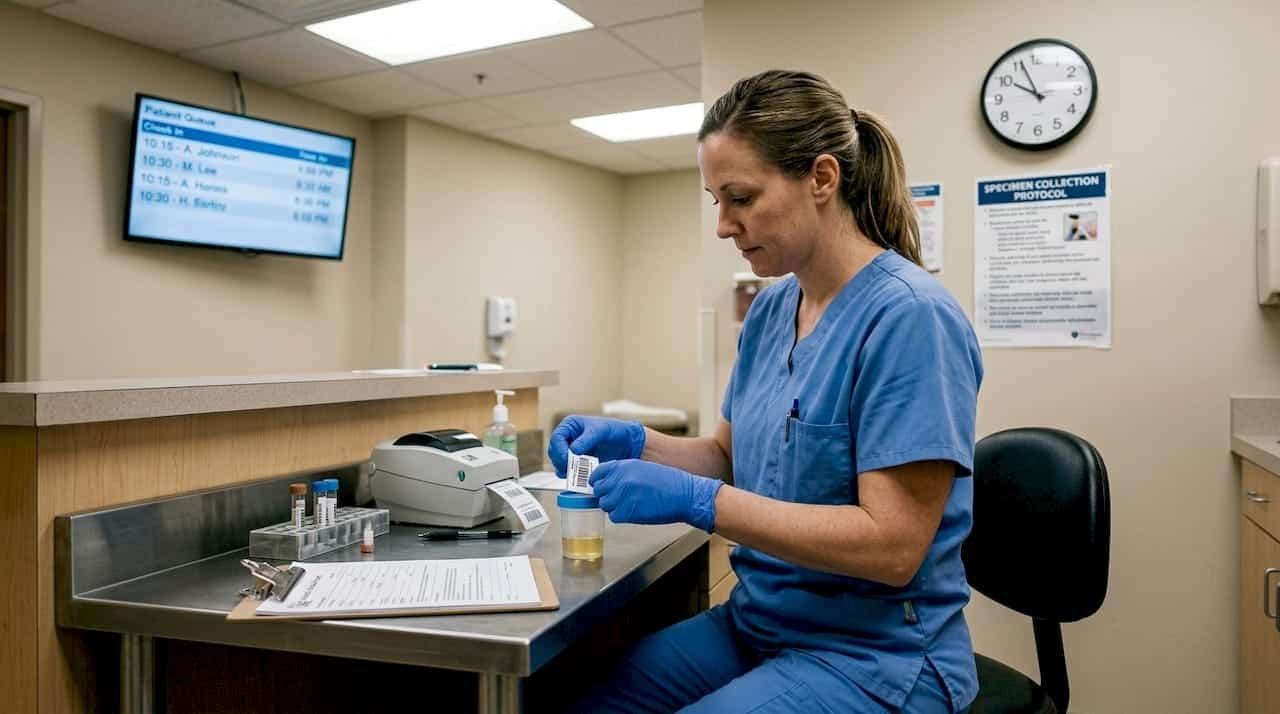
Selecting the right drug screening method can feel overwhelming when you’re managing patient care or workplace compliance. Healthcare professionals and administrators need solutions that deliver accurate results without slowing down operations or compromising reliability. Rapid drug screening has emerged as a game changer, offering speed and efficiency that traditional lab-based methods simply cannot match. This guide breaks down the distinct advantages of rapid testing, helping you make informed decisions that improve patient outcomes, streamline workflows, and strengthen compliance programs in clinical and workplace settings.
Key Takeaways
| Point | Details |
|---|---|
| Fast turnaround times | Results are available in minutes rather than days, enabling quicker clinical and safety decisions. |
| High accuracy | Documented sensitivity and specificity support reliable clinical decisions. |
| Streamlined workflows | Faster results reduce administrative steps and coordination across care teams. |
| Immediate patient care benefits | Rapid testing enables timely interventions, treatment adjustments, and safety measures. |
| Regulatory compliance and cost efficiency | Integrated controls and regulatory alignment help facilities stay compliant while lowering ongoing testing costs. |
Criteria for evaluating rapid drug screening methods
Choosing the right rapid drug screening solution requires understanding what separates effective products from inadequate ones. Efficiency, accuracy, ease of use, and compliance capability are critical selection criteria when evaluating rapid drug screening options.
Efficiency means reducing result turnaround times significantly compared to lab-based tests. When you’re managing patient intake or responding to workplace incidents, waiting days for lab results creates bottlenecks that delay critical decisions. Rapid tests deliver actionable information within minutes, allowing you to proceed with confidence.
Accuracy must remain high to ensure reliable results for clinical decisions. A screening method that sacrifices precision for speed creates more problems than it solves. Look for products with documented sensitivity and specificity rates that meet industry standards. False negatives can miss substance abuse issues, while false positives trigger unnecessary confirmatory testing and anxiety.
Ease of use supports staff workflow and minimizes errors during specimen collection and processing. Complex procedures increase the likelihood of mistakes, especially in high-volume settings. Intuitive designs with clear instructions help technicians perform tests correctly the first time, reducing waste and retesting.
Compliance with legal and medical standards is mandatory to avoid liability. Your screening program must meet regulatory requirements for your specific context, whether that’s workplace safety regulations, clinical treatment protocols, or forensic applications. Products with CLIA waiver status simplify compliance for point-of-care testing environments.
Pro Tip: Consider tests with integrated controls to minimize false negatives and positives. Built-in quality checks validate each test’s performance, giving you confidence in results without additional steps.
Top advantages of rapid drug screening methods explained
Having established what to look for in screening solutions, let’s explore the concrete benefits that make rapid drug screening valuable in real-world healthcare and laboratory settings.
Fast turnaround times stand out as the most obvious advantage. Rapid drug screening methods provide results within minutes, typically 5-10 minutes, compared to the 24-72 hours required for traditional lab analysis. This speed transforms how you manage patient care and workplace safety incidents.
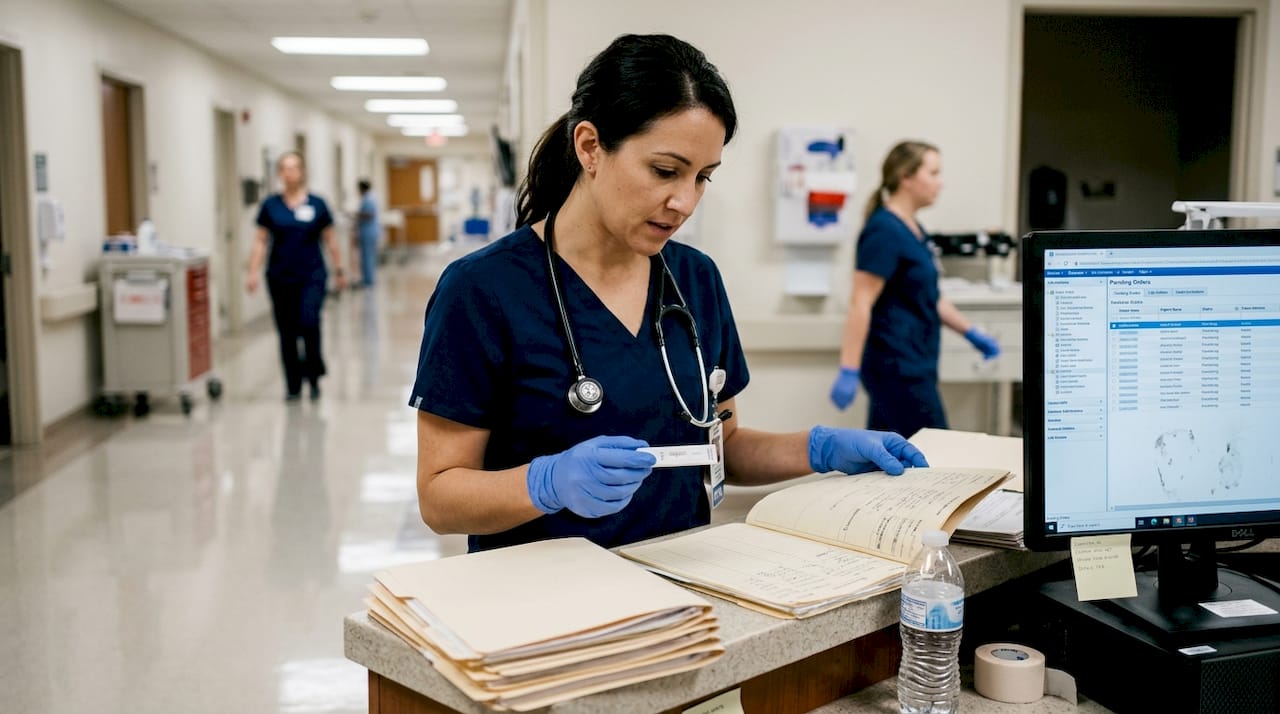
Improved patient care enables immediate clinical decisions and interventions. When a patient presents with suspected substance use or overdose symptoms, knowing exactly what substances are in their system right now allows you to choose appropriate treatments immediately. You can adjust medication protocols, implement safety measures, or initiate counseling interventions without dangerous delays.
Streamlined workflow reduces staff time and administrative burdens significantly. Instead of coordinating specimen collection, shipping, lab communication, and result retrieval across multiple days, your team completes the entire process in one patient encounter. This efficiency frees up resources for other critical tasks and improves the overall patient experience.
Supports workplace drug policy enforcement promptly to maintain safety. When an employee is involved in an accident or exhibits concerning behavior, rapid testing provides answers before the workday ends. This immediacy prevents situations where employees remain in safety-sensitive positions while awaiting lab results, protecting both workers and operations.
“Implementing rapid drug screening in our treatment facility reduced patient intake processing time by 40% while improving our ability to customize treatment plans based on current substance use patterns. The immediate feedback loop changed how we approach patient care.”
Comparison of rapid drug screening versus traditional lab-based testing
Understanding how rapid screening stacks up against established lab testing methods helps you determine which approach fits specific situations. Rapid drug testing offers faster compliance results but may have limitations in sensitivity compared to lab testing.
| Factor | Rapid Drug Screening | Traditional Lab Testing |
|---|---|---|
| Result Speed | 5-10 minutes | 24-72 hours |
| Accuracy | High for common substances | Highest sensitivity and specificity |
| Cost per Test | Lower | Higher |
| Substance Detection Range | Standard panels (5-12 drugs) | Comprehensive panels (100+ substances) |
| Location Flexibility | On-site, point-of-care | Requires lab facility |
| Staff Training Required | Minimal | Specialized technicians |
| Confirmation Capability | Presumptive screening only | Definitive identification |
Rapid tests yield immediate results that support time-sensitive decisions, while labs take days but offer more comprehensive analysis. The speed advantage of rapid testing cannot be overstated when you need to make clinical or administrative decisions within a single patient visit or work shift.
Lab testing may identify a broader range of substances with higher sensitivity, making it irreplaceable for forensic applications or complex clinical cases. Gas chromatography-mass spectrometry and other lab techniques can detect lower concentrations and differentiate between similar compounds that rapid tests might group together.
Rapid testing supports on-site screening and faster compliance reporting, eliminating logistics challenges. You don’t need to worry about specimen degradation during shipping, chain of custody documentation for transport, or coordinating with external laboratories. Everything happens in your facility under your direct control.
Pro Tip: Use rapid testing for initial screening, then confirm positives with lab tests. This two-tier approach combines the speed advantages of rapid methods with the accuracy assurance of laboratory confirmation, optimizing both efficiency and reliability.
Situational recommendations for choosing rapid drug screening solutions
After comparing methods, you need practical guidance on which contexts benefit most from rapid drug screening and when complementary approaches make sense.
Workplace drug testing benefits tremendously from rapid methods for immediate action. Rapid testing is ideal for workplace safety, patient intake, and treatment compliance monitoring where speed is critical. When accidents occur or reasonable suspicion arises, rapid testing enables same-day decision-making about work assignments and safety protocols.
Drug treatment centers can speed patient assessment and adjust care plans faster using rapid screening at intake and throughout treatment. Understanding a patient’s current substance use immediately upon admission allows you to design appropriate detoxification protocols and therapeutic interventions from day one rather than making assumptions while waiting for lab results.
Laboratories can use rapid tests for screening to optimize lab resource use, reserving expensive confirmatory testing for specimens that screen positive. This tiered approach reduces costs while maintaining accuracy standards, allowing you to process higher volumes without proportionally increasing laboratory capacity.
Here are specific scenarios where rapid versus comprehensive lab testing makes the most sense:
- Emergency department presentations: Use rapid screening to guide immediate treatment decisions, especially for overdose cases or patients with altered mental status where knowing substances present affects medication choices.
- Pre-employment screening: Rapid testing works well for initial screening, with positive results confirmed by lab testing before making employment decisions.
- Random workplace testing programs: Rapid methods provide immediate deterrent effects and allow quick removal of impaired workers from safety-sensitive positions.
- Treatment program compliance monitoring: Frequent rapid testing throughout recovery supports accountability without the delays that might allow relapse to progress undetected.
- Probation and parole supervision: Rapid results enable immediate consequences for violations, strengthening program effectiveness.
Emphasize combining rapid screening with confirmatory lab testing for accuracy when consequences are significant. Legal proceedings, employment terminations, and major clinical decisions warrant the additional certainty that laboratory confirmation provides, even though it introduces delays.
Find reliable rapid drug screening products and supplies
Now that you understand the advantages and appropriate applications of rapid drug screening, finding quality products that deliver on these benefits becomes your next priority. Buy Test Cup offers comprehensive solutions designed specifically for healthcare professionals and administrators who need dependable rapid testing capabilities.
Our drug test cups provide integrated collection and testing in single-use formats that minimize handling errors and streamline workflow. These multi-panel options detect the most commonly abused substances with accuracy you can trust for clinical and workplace decisions.
For laboratories seeking flexibility, our drug test strips offer economical screening options that work with standard specimen collection containers. This approach reduces per-test costs while maintaining the rapid turnaround times that make point-of-care testing valuable.
Explore our complete drug testing supplies checklist to ensure your program has everything needed for accurate, compliant screening. From specimen collection containers to adulterant detection tools, we provide the full range of supplies that support reliable rapid drug screening programs.
Frequently asked questions
What are the main benefits of rapid drug screening?
Rapid drug screening delivers results within 5-10 minutes, enabling immediate clinical decisions and workplace safety actions. This speed improves patient care by allowing treatment adjustments without delays, streamlines administrative workflows by eliminating multi-day waiting periods, and supports compliance programs with faster reporting. The efficiency gains translate directly into cost savings and better outcomes.
How accurate are rapid drug screening tests?
Rapid drug screening tests achieve high accuracy for detecting common substances when used correctly, with sensitivity and specificity rates typically exceeding 95% for most drug classes. However, they serve as presumptive screening tools rather than definitive identification. Accurate drug screening requires following proper procedures and confirming positive results with laboratory testing when consequences are significant.
Which settings benefit most from rapid drug screening?
Workplace safety programs, drug treatment facilities, emergency departments, and compliance monitoring programs gain the most from rapid screening capabilities. Any environment where immediate decision-making based on substance use information improves outcomes or safety benefits from rapid testing. The ability to complete testing during a single patient visit or work shift eliminates the complications of managing individuals with unknown substance use status.
How does rapid screening improve workflow efficiency?
Rapid screening consolidates specimen collection, testing, and result interpretation into one brief interaction, eliminating the coordination required for laboratory testing. Staff avoid packaging specimens, arranging transport, tracking samples through external labs, and following up days later for results. This consolidation reduces administrative burden by approximately 40% compared to traditional lab-based workflows while improving the patient and employee experience through faster resolution.