


Blog
7 Essentials for an Effective Drug Testing Supplies Checklist


Running a drug testing program presents real challenges when it comes to choosing supplies that comply with strict federal standards. If you are responsible for quality assurance or regulatory compliance, you know that every detail matters—from the way samples are collected to how tests detect possible tampering. Missing even one requirement can jeopardize your testing outcomes and put your organization at risk.
This list will walk you through regulatory must-haves and proven best practices for selecting and managing drug testing supplies. You will find actionable guidance on everything from multi-panel test cups to chain of custody documentation. Get ready to discover practical steps that will help you meet federal guidelines, improve reliability, and safeguard your testing process.
Quick Summary
| Takeaway | Explanation |
| 1. Understand Regulatory Requirements | Comply with FDA guidelines to ensure drug testing supplies are safe and effective. Document FDA approvals and manufacturing standards. |
| 2. Choose the Right Drug Test Cups | Select multi-panel drug test cups aligned with testing needs for comprehensive results and accuracy. Consider substance sensitivity and applicable standards. |
| 3. Incorporate Adulterant Testing Kits | Use adulterant testing kits to prevent sample tampering, ensuring the validity of drug test results. Detect chemical alterations that may skew results. |
| 4. Ensure Proper Specimen Collection | Select appropriate specimen collection containers to maintain sample integrity from collection to analysis. Ensure sterility, compatibility, and proper sealing. |
| 5. Maintain Chain of Custody Documentation | Implement strict chain of custody protocols to protect the integrity of testing processes and ensure legal compliance. Document every transfer meticulously. |
1. Understand Regulatory Requirements for Testing Supplies
Navigating the complex landscape of drug testing supplies requires a deep understanding of regulatory requirements that ensure safety and reliability. Government agencies and compliance officers must recognize that drug testing equipment is not just a product but a critical tool governed by stringent federal standards.
The Food and Drug Administration (FDA) provides comprehensive guidance for manufacturers and users of drug testing supplies through precise manufacturing practice regulations. These regulations ensure that every test cup, screening kit, and collection device meets rigorous quality benchmarks.
Key regulatory compliance aspects include:
- Adherence to current good manufacturing practice (CGMP) regulations
- Compliance with 21 CFR parts 210 and 211 manufacturing standards
- Ensuring product safety, identity, and consistent performance
- Meeting federal quality control requirements
Quality Assurance Is Paramount
Compliance officers should focus on selecting drug testing supplies that demonstrate clear evidence of regulatory approval. This means verifying that testing kits have:
- FDA clearance
- Documented manufacturing standards
- Consistent performance metrics
- Proper documentation trails
Regulatory compliance is not optional – it’s a critical requirement for maintaining the integrity of drug testing programs.
Pro tip: Always request and review the manufacturer’s FDA compliance documentation before purchasing drug testing supplies to guarantee regulatory adherence.
2. Choose the Right Multi-Panel Drug Test Cups
Selecting the appropriate multi-panel drug test cup is a critical decision for organizations seeking comprehensive substance screening. The complexity of modern workplace drug testing requires strategic selection of test panels that provide thorough and accurate results.
Multi-panel drug test cups offer a streamlined approach to detecting multiple substances simultaneously. SAMHSA guidelines recommend understanding the specific panels needed based on your organizational context and testing requirements.
Key considerations for selecting multi-panel drug test cups include:
- Number of substance panels (5, 10, 12, or 28 panel configurations)
- Specific substances detected
- Sensitivity and specificity of tests
- Compliance with federal testing standards
- Cost-effectiveness of comprehensive screening
Substance Detection Matters
Different workplace environments require varied testing approaches. For instance:
- Safety-sensitive industries might need more comprehensive panels
- Rehabilitation centers could prioritize specific substance screenings
- Government agencies often require extensive multi-substance testing
The right multi-panel drug test cup can provide a reliable snapshot of an individual’s substance use while maintaining testing efficiency.
Pro tip: Always validate the test cup’s detection thresholds and cross-reference with your specific organizational screening requirements to ensure maximum accuracy.
3. Include Reliable Adulterant Testing Kits
Preserving the integrity of drug testing requires more than just standard screening methods. Adulterant testing kits are the critical line of defense against sample tampering that could compromise your entire testing program.
Federal regulations mandate sophisticated validity screening to detect attempts to manipulate drug test specimens. These kits are designed to identify chemical alterations that individuals might use to mask substance use.
Key components of reliable adulterant testing include detecting:
- Unusual pH levels
- Creatinine concentration
- Specific gravity
- Oxidizing agents
- Nitrites and bleach
Sample Integrity Is Non-Negotiable
Effective adulterant testing requires a comprehensive approach:
- Select multi-parameter testing kits
- Establish clear screening protocols
- Train personnel on detection techniques
- Document all testing procedures
- Maintain chain of custody documentation
Adulterant testing is not just a procedure – it’s a critical safeguard against deceptive testing practices.
Pro tip: Invest in adulterant testing kits that offer multiple detection parameters and provide clear, immediate results to minimize potential sample manipulation.
4. Select Proper Specimen Collection Containers
Specimen collection is a critical process that demands precision and careful attention to detail. The right container can make the difference between a valid test result and a compromised sample.
Specimen integrity starts with proper container selection, involving multiple factors beyond simple storage.
Key considerations for selecting specimen collection containers include:
- Sterility of the container
- Material compatibility with testing methods
- Leak-proof design
- Appropriate size for sample volume
- Temperature stability features
- Compatibility with specific testing protocols
Sample Preservation Is Critical
Effective specimen container selection involves:
- Understanding specific testing requirements
- Matching container type to specimen
- Ensuring proper sealing mechanisms
- Verifying container labeling capabilities
- Considering transport and storage conditions
The right container protects sample integrity from collection through analysis.
Pro tip: Always verify your specimen collection containers meet current regulatory standards and are compatible with your specific testing methodologies.
5. Add Breath Alcohol Test Strips to Your Inventory
Breath alcohol testing represents a critical component of safety protocols in numerous professional environments. Understanding the nuances of these testing tools can significantly enhance your substance screening capabilities.
The National Highway Traffic Safety Administration provides comprehensive guidelines for evaluating breath alcohol testing equipment, emphasizing the importance of selecting reliable and legally compliant devices.
Key considerations for breath alcohol test strips include:
- Rapid screening capabilities
- Non-invasive testing methodology
- Accuracy and sensitivity
- Compliance with legal standards
- Range of detection thresholds
- Ease of use and interpretation
Alcohol Screening Precision Matters
Effective breath alcohol testing involves:
- Selecting FDA-approved devices
- Understanding detection thresholds
- Training personnel on proper administration
- Maintaining equipment calibration
- Documenting testing procedures
Breath alcohol test strips are not just tools – they are critical safety instruments that can prevent potential workplace incidents.
Pro tip: Always verify the legal admissibility and specific detection ranges of your breath alcohol test strips to ensure comprehensive and compliant screening.
6. Ensure Chain of Custody Documentation Materials
Maintaining an ironclad chain of custody is the backbone of credible drug testing programs. Precise documentation protects the integrity of your testing process and ensures legal defensibility.
Federal regulations mandate rigorous specimen tracking procedures that require meticulous attention to detail from collection through final analysis.
Critical documentation materials should include:
- Standardized custody transfer forms
- Detailed logging sheets
- Tamper-evident seals
- Specimen identification labels
- Personnel authorization logs
- Secure storage documentation
Documentation Integrity Is Non-Negotiable
Effective chain of custody tracking involves:
- Implementing strict access controls
- Training all personnel thoroughly
- Creating clear transfer protocols
- Maintaining comprehensive written records
- Using unique specimen identifiers
Every documented handoff is a critical link in maintaining the legal and scientific validity of your testing process.
Pro tip: Invest in redundant documentation systems and regularly audit your chain of custody procedures to identify and eliminate potential weak points.
7. Plan for Safe Storage and Disposal of Supplies
Safe storage and disposal of drug testing supplies are critical components of maintaining a professional and compliant testing program. Mishandling these materials can compromise testing integrity and create potential safety risks.
FDA guidelines provide comprehensive recommendations for managing medical and testing supplies throughout their lifecycle.
Key considerations for storage and disposal include:
- Controlled temperature environments
- Secure access restrictions
- Quarantine areas for expired supplies
- Tracking inventory expiration dates
- Compliance with biosafety regulations
- Environmental protection protocols
Supply Management Protects Integrity
Comprehensive storage and disposal strategies involve:
- Establishing clear handling protocols
- Creating designated storage spaces
- Implementing regular inventory audits
- Training personnel on safety procedures
- Using approved disposal methods
Proper supply management is not just a best practice – it is a critical safety requirement.
Pro tip: Develop a comprehensive written protocol for supply storage and disposal that includes specific procedures for different types of testing materials and clear accountability measures.
Below is a comprehensive table summarizing the main aspects of selecting and utilizing drug testing supplies as outlined in the article.
| Topic | Details | Key Considerations |
| Regulatory Requirements for Testing Supplies | Comply with standards set by the FDA; ensure CGMP adherence, quality control, and validity. | Verify FDA approval and manufacturer compliance documentation. |
| Multi-Panel Drug Test Cups | Select test cups based on panel number, substance scope, accuracy, and cost. | Match the panels to organizational requirements for effective screening. |
| Adulterant Testing Kits | Protect against sample tampering through advanced validity testing for anomalies. | Invest in kits detecting multiple adulteration parameters. |
| Specimen Collection Containers | Ensure sterility, compatibility with testing methods, and integrity preservation. | Use containers that align with regulatory standards for secure handling. |
| Breath Alcohol Test Strips | Provide non-invasive, compliant alcohol level assessments. | Validate detection thresholds and train staff for accurate administration. |
| Chain of Custody Documentation | Maintain thorough, standardized forms and specimen tracking for legal validity. | Implement strict protocols and audit procedures regularly. |
| Storage and Disposal of Supplies | Follow biosafety and environmental protocols for materials. | Set up controlled environments for safe storage and enforce proper disposal procedures. |
Streamline Your Drug Testing Program with Trusted Supplies from Buy Test Cup
Managing an effective drug testing checklist demands attention to regulatory compliance, sample integrity, and comprehensive screening tools. Whether you need multi-panel drug test cups that align with federal standards or reliable adulterant testing kits to safeguard against tampering, Buy Test Cup provides products designed to meet these critical needs. Our inventory also includes specimen collection containers and breath alcohol test strips that ensure specimen quality and testing accuracy throughout the entire process.
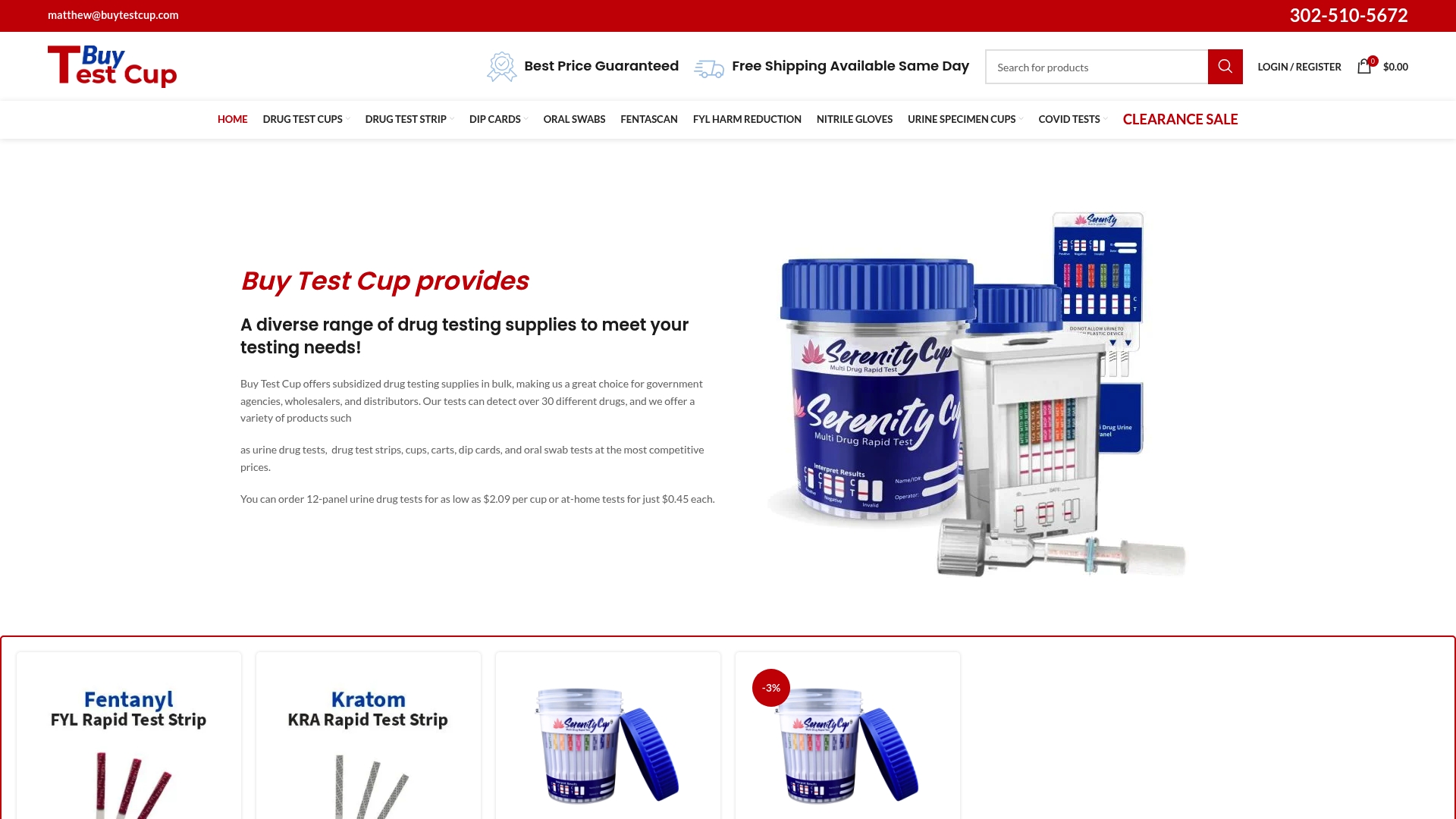
Take control of your drug testing program now by choosing from a wide range of quality-assured supplies at Buy Test Cup. Equip your team with FDA-cleared drug test cups, secure specimen collection systems, and tamper-evident documentation materials to maintain the highest standards in substance screening. Explore our complete selection and enjoy competitive pricing with options like same-day shipping for urgent needs. Visit Buy Test Cup today and ensure your testing supplies checklist covers every essential aspect required for reliable and legally defensible results.
Frequently Asked Questions
What are the key regulatory requirements to consider for drug testing supplies?
Understanding regulatory requirements involves ensuring compliance with federal standards, including good manufacturing practices and quality control measures. Verify that all testing supplies have necessary FDA clearance and proper documentation before use to maintain program integrity.
How do I choose the right multi-panel drug test cup for my organization?
Select a multi-panel drug test cup based on the specific substances you need to screen for and the total number of panels required. Evaluate the cost-effectiveness and sensitivity of the tests to ensure they meet your testing needs while providing accurate results.
What should I include in my adulterant testing kits for drug testing?
Include multi-parameter adulterant testing kits that can check for various indicators of sample tampering, such as pH levels and specific gravity. Ensure the kits offer immediate results to help preserve the integrity of your drug testing program.
How can I ensure proper specimen collection for drug testing?
Select appropriate specimen collection containers that are sterile, leak-proof, and compatible with your testing methods. Train personnel on correct procedures for labeling and sealing to protect sample integrity from collection to analysis.
What are the best practices for maintaining chain of custody documentation?
Implement standardized custody transfer forms and maintain detailed logging sheets to track each specimen’s journey. Regularly audit your chain of custody procedures to minimize weak points and ensure comprehensive documentation.
How should I manage the storage and disposal of drug testing supplies?
Establish clear handling protocols for storing drug testing supplies in controlled environments with restricted access. Implement regular inventory audits and use approved disposal methods for expired or unused materials to maintain safety and compliance.