


Blog
Drug test cup selection tips for reliable 2026 compliance

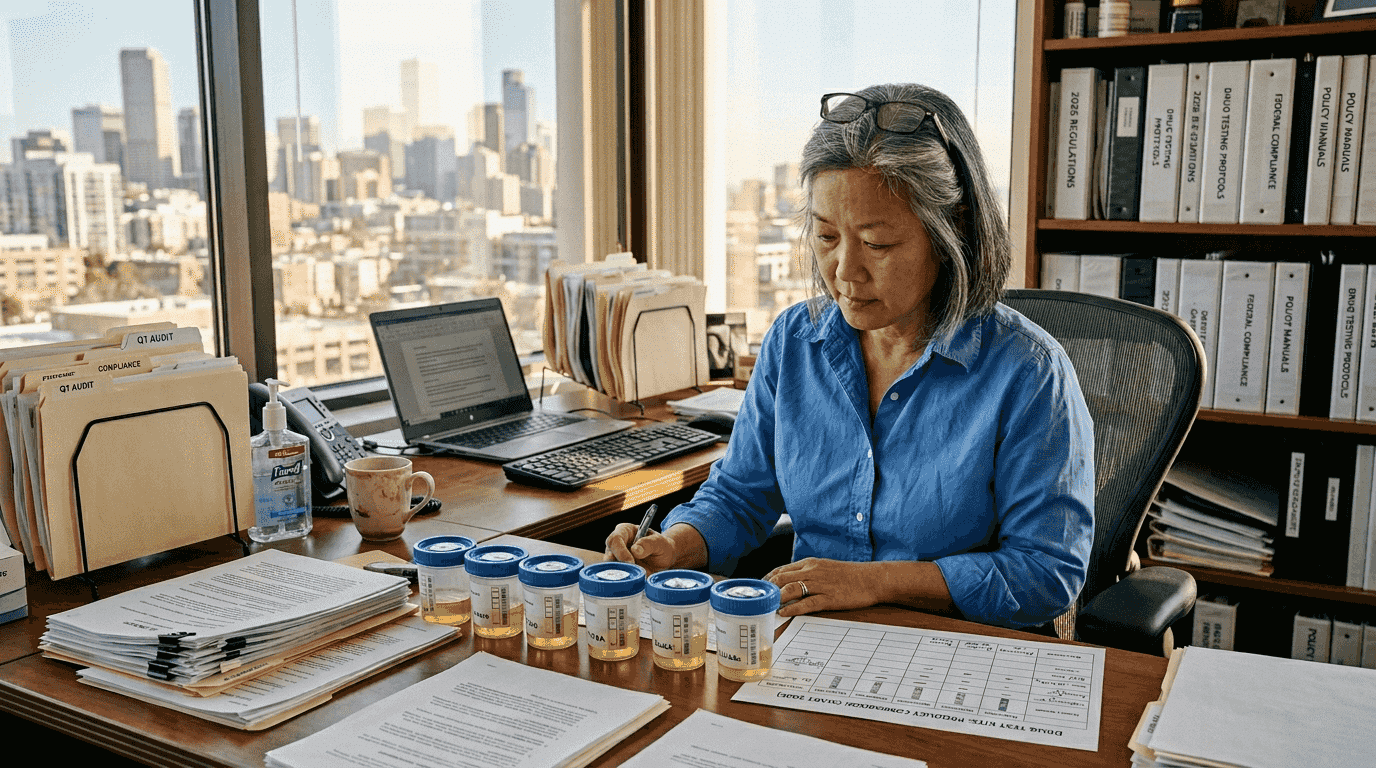
Selecting the right drug test cup determines whether your screening program delivers accurate results or exposes your organization to compliance risks and false negatives. Government agencies, healthcare clinics, and corporate workplaces face unique testing demands, from detecting emerging substances like fentanyl to preventing specimen tampering that undermines result validity. Choosing the optimal cup requires balancing sensitivity thresholds, drug panel breadth, and built-in safeguards against adulteration. This guide walks you through practical criteria, cup type comparisons, and regulatory considerations to help you build a testing program that meets 2026 compliance standards while protecting your organization from costly errors.
Key takeaways
| Point | Details |
|---|---|
| Match cup to testing needs | Selecting based on target drugs and setting ensures accuracy and compliance. |
| Sensitivity varies by cup type | Immunoassay cups offer convenience but may miss low concentrations compared to lab tests. |
| Tampering detection is critical | Built-in adulterant and temperature checks mitigate false negatives from specimen manipulation. |
| Federal cutoffs govern validity | Awareness of regulatory thresholds ensures legally defensible results. |
| CLIA-waived tests have tradeoffs | Rapid screening convenience comes with sensitivity limitations requiring confirmatory testing. |
Establishing key criteria for selecting drug test cups
Before comparing specific products, define the fundamental parameters that drive your selection. Start by identifying target substances based on your population and testing purpose. Workplace programs typically screen for amphetamines, cocaine, opiates, and THC, while clinical settings may prioritize benzodiazepines and prescription opioids. Government agencies increasingly include fentanyl panels due to rising prevalence.
Sensitivity requirements vary by context. Field screening prioritizes speed over detecting trace amounts, while probation monitoring demands lower detection thresholds to catch diluted specimens. Drug test cup selection should be based on specific needs including drugs of interest and sensitivity levels appropriate for your program goals.
Your testing environment shapes cup choice significantly. Point-of-care settings benefit from integrated cups with immediate visual results, while centralized facilities can leverage more complex devices with electronic readers. Consider whether staff will perform testing on-site or collect specimens for lab analysis.
Regulatory compliance cannot be negotiable. Federal agencies must adhere to cutoff concentrations specified in 42 CFR and 49 CFR, which define minimum drug levels required for positive results. Non-compliance exposes organizations to legal challenges and invalidated testing programs.
Tampering prevention capabilities matter when testing populations with incentives to evade detection. Cups with adulterant panels detect common masking agents, while temperature strips identify substituted specimens. Explore drug test cup types explained to understand how design features address these risks.
Pro Tip: Create a requirements matrix listing your must-have features (panel count, specific drugs, adulterant detection) versus nice-to-have options (temperature strips, split specimen capability) to objectively compare products.
Key selection criteria include:
- Target drug panel aligned with population risk profile
- Sensitivity threshold matching detection goals
- Testing environment compatibility (field vs. clinical)
- Federal cutoff regulation compliance
- Tampering detection and prevention features
- Cost per test balanced against accuracy needs
Comparison of common drug test cup types and their features
Immunoassay cups dominate workplace and clinical screening due to rapid results and affordability. These devices use antibodies to detect drug metabolites, producing visible lines within minutes. They excel at initial screening but may miss low-level drug presence below cutoff thresholds. CLIA-waived drug test cups offer convenience but sacrifice some sensitivity compared to laboratory-based methods.
Multi-panel configurations range from basic 5-panel cups (THC, cocaine, opiates, amphetamines, PCP) to comprehensive 28-panel options covering emerging threats. The 12-panel format has become standard for many workplace programs, adding benzodiazepines, barbiturates, methadone, and oxycodone to the basic five. Fentanyl panels now appear in premium cups responding to the opioid crisis.
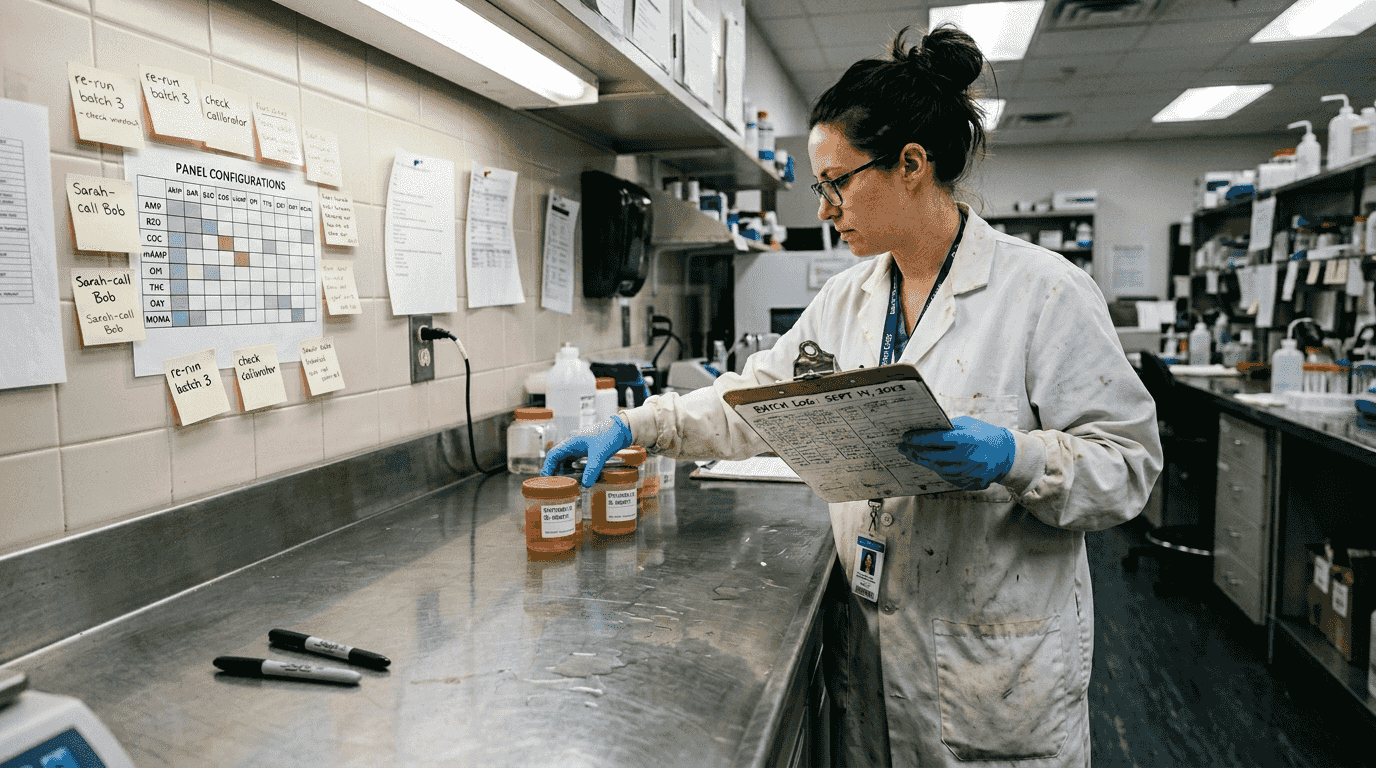
Specialized cups integrate adulterant detection alongside drug panels. These devices test for oxidizing agents, pH abnormalities, nitrites, and glutaraldehyde that donors use to mask drug presence. Creatinine and specific gravity measurements flag diluted specimens, a common evasion tactic.
Laboratory-based cups prioritize sensitivity over convenience. Specimens collected in standard cups undergo gas chromatography-mass spectrometry (GC-MS) or liquid chromatography-tandem mass spectrometry (LC-MS/MS) analysis, detecting drugs at concentrations well below immunoassay thresholds. This approach costs more and delays results but provides definitive confirmation for legal proceedings.
Device design impacts tampering resistance. Integrated temperature strips verify specimens fall within the 90-100°F range expected from fresh urine. Sealed cups with tamper-evident seals prevent post-collection adulteration. Some models include specimen validity testing (SVT) panels that measure pH, creatinine, oxidants, and specific gravity simultaneously.
Browse the full drug test cups catalog to compare panel configurations and features across manufacturers. Review 2026 drug test cup panel options guide for detailed specifications on emerging panel combinations.
Pro Tip: Match your cup’s panel breadth to actual risk. Paying for a 28-panel cup when your population primarily uses THC and cocaine wastes budget that could fund more frequent testing.
| Cup Type | Panel Range | Sensitivity | Best Use Case | Limitations |
|---|---|---|---|---|
| Basic immunoassay | 5-12 panels | Moderate | Workplace screening, quick results | May miss low concentrations |
| Multi-panel with adulterants | 12-28 panels + SVT | Moderate | High-risk populations, probation | Higher cost per test |
| CLIA-waived rapid | 5-14 panels | Lower | Point-of-care, non-lab settings | Requires confirmation for positives |
| Lab-based collection | Unlimited | Highest | Legal cases, confirmatory testing | Delayed results, higher cost |
Key comparison factors:
- Panel count versus cost efficiency for your risk profile
- Turnaround time requirements (minutes vs. days)
- Sensitivity needs based on detection goals
- Adulterant detection capability for tampering prevention
- Regulatory approval status (CLIA-waived, FDA cleared)
- Temperature and validity testing integration
Understanding tampering risks and strategies to ensure accurate results
Specimen tampering undermines testing program integrity and creates false negatives that allow drug use to go undetected. False negatives often arise from urine dilution, adulterants, or synthetic urine substitution, each requiring different detection strategies.
Dilution through excessive fluid intake before testing remains the most common evasion method. Donors consume large water volumes to reduce drug metabolite concentrations below cutoff thresholds. Diluted urine causes inaccurate results by lowering drug concentrations below detection thresholds, creating false negatives even when substances are present.
Adulterants include household chemicals (bleach, vinegar, salt) and commercial masking products designed to interfere with immunoassay reactions. These substances either destroy drug metabolites or prevent antibody binding, producing negative results despite drug presence. Oxidizing agents like pyridinium chlorochromate are particularly effective at breaking down THC metabolites.
Synthetic urine and specimen substitution represent the most sophisticated tampering approach. Donors bring clean urine from another person or laboratory-created synthetic urine that mimics normal urine chemistry. Without temperature verification and validity testing, these specimens pass as legitimate.
Creatinine concentration and specific gravity measurements detect dilution effectively. Normal urine creatinine ranges from 20 to 400 mg/dL, while diluted specimens fall below 20 mg/dL. Specific gravity between 1.003 and 1.030 indicates normal concentration, with values outside this range flagging dilution or adulteration.
Temperature testing provides immediate substitution detection. Fresh urine exits the body at 97-99°F and cools predictably. Specimens outside the 90-100°F range within four minutes of collection indicate substitution. Integrated temperature strips on cups like the 15 panel cup with adulterants features provide instant verification.
“Effective tampering prevention requires layered detection: temperature strips catch substitution, creatinine and specific gravity identify dilution, and adulterant panels flag chemical interference. No single measure suffices when testing motivated populations.”
Tampering prevention strategies:
- Use cups with integrated temperature strips for substitution detection
- Require specimen validity testing (creatinine, pH, specific gravity, oxidants)
- Implement direct observation protocols for high-stakes testing
- Test adulterant panels detecting nitrites, glutaraldehyde, and oxidants
- Establish protocols for retesting suspicious specimens
- Train collectors to recognize tampering indicators (unusual color, odor, foam)
Comparing federal cutoff regulations and their impact on drug test cup sensitivity
Federal regulations establish minimum drug and metabolite concentrations required for positive test results, directly affecting which cups meet compliance standards. Cutoff concentrations for drug tests are based on strict federal regulations codified in 42 CFR Part 82 for federal workplace testing and 49 CFR Part 40 for Department of Transportation programs.
These cutoffs balance detecting recent drug use against avoiding false positives from passive exposure or trace contamination. For example, the THC metabolite (THCCOOH) cutoff sits at 50 ng/mL for initial screening and 15 ng/mL for confirmatory testing. Cocaine metabolite (benzoylecgonine) uses identical thresholds.
Fentanyl and norfentanyl cutoffs reflect evolving drug threats. Initial screening cutoffs of 2 ng/mL for fentanyl and 5 ng/mL for norfentanyl enable detection of these potent opioids at concentrations far lower than traditional opiates. This sensitivity acknowledges fentanyl’s potency and prevalence in the current drug supply.
Immunoassay sensitivity depends on manufacturers calibrating devices to meet or exceed federal cutoffs. A cup calibrated at 50 ng/mL for THC will miss specimens containing 40 ng/mL, even though drug use occurred. This limitation explains why positive immunoassay results require confirmatory testing using more sensitive methods.
Confirmatory testing cutoffs differ from screening thresholds to reduce false positives. While screening may flag specimens at 50 ng/mL, confirmation requires detecting the specific drug at 15 ng/mL using GC-MS or LC-MS/MS. This two-tier approach balances sensitivity with specificity.
Understanding these standards guides appropriate cup selection for your compliance requirements. Federal agencies must use cups calibrated to regulatory cutoffs, while private employers have more flexibility but should align with industry standards to ensure defensible results. Consult the multi-panel drug testing guide for detailed cutoff tables and compliance frameworks.
| Drug/Metabolite | Initial Screening Cutoff | Confirmatory Cutoff | Detection Window |
|---|---|---|---|
| THC (THCCOOH) | 50 ng/mL | 15 ng/mL | 3-30 days |
| Cocaine (Benzoylecgonine) | 150 ng/mL | 100 ng/mL | 2-4 days |
| Opiates (Morphine) | 2000 ng/mL | 2000 ng/mL | 2-3 days |
| Amphetamines | 500 ng/mL | 250 ng/mL | 1-3 days |
| Fentanyl | 2 ng/mL | 1 ng/mL | 1-3 days |
| Benzodiazepines | 200 ng/mL | 100 ng/mL | 1-7 days |
Cutoff awareness ensures you select cups that deliver legally defensible results aligned with federal standards and your organizational policies.
Enhance your drug testing program with quality drug test cups
Implementing the selection criteria and tampering prevention strategies outlined above requires access to reliable products and expert guidance. A wide selection of drug test cups tailored to government, healthcare, and workplace testing needs provides options matching every compliance requirement and budget constraint. Whether you need basic 5-panel screening or comprehensive 28-panel configurations with adulterant detection, choosing quality devices from trusted suppliers reduces the risk of invalid results and regulatory violations.
Develop compliant testing protocols using the multi-panel drug testing guide, which details panel selection, cutoff alignment, and confirmation procedures. Streamline your testing operations by reviewing the drug testing program workflow to establish efficient processes from specimen collection through result reporting. Partnering with suppliers who understand regulatory requirements and provide technical support helps you navigate complex compliance landscapes while maintaining program integrity.
FAQ
What drugs are commonly detected by multi-panel drug test cups?
Multi-panel cups typically detect THC (marijuana), cocaine, opiates (morphine, codeine), amphetamines, methamphetamine, and PCP in basic 5-panel configurations. Expanded panels add benzodiazepines, barbiturates, methadone, oxycodone, buprenorphine, and increasingly fentanyl to address current drug trends. The specific panel you choose should reflect your population’s drug use patterns and your organization’s risk assessment.
How do CLIA-waived drug test cups differ from laboratory tests?
CLIA-waived cups provide rapid point-of-care screening without requiring laboratory certification, making them convenient for workplace and clinical settings. However, they may miss lower drug concentrations compared to laboratory GC-MS or LC-MS/MS analysis due to higher detection thresholds. Positive CLIA-waived results typically require confirmatory laboratory testing to ensure accuracy before taking adverse employment or clinical actions.
What are effective methods for detecting specimen tampering?
Temperature strips verify specimens fall within the 90-100°F range expected from fresh urine, catching substitution attempts. Creatinine concentration below 20 mg/dL and specific gravity outside 1.003-1.030 indicate dilution. Adulterant panels detect oxidizing agents, nitrites, glutaraldehyde, and abnormal pH levels used to mask drug presence. Combining these methods provides layered protection against tampering.
Why is it important to consider federal cutoff levels when choosing a drug test cup?
Federal cutoffs define the minimum drug and metabolite concentrations required for valid positive results under 42 CFR and 49 CFR regulations. Choosing cups calibrated to these thresholds ensures your results meet legal standards and withstand challenges in employment disputes or legal proceedings. Cups with cutoffs above federal standards may miss drug use that regulatory agencies would consider positive, exposing your organization to compliance risks.