


Blog
Drug Test Cup Types Explained: Ensuring Workplace Compliance


Managing drug screening protocols in American workplaces often means sorting through countless diagnostic options and regulatory requirements. For compliance officers, choosing a reliable solution is about more than just detection. The type and features of a drug test cup can directly impact compliance with federal and state regulations, employee safety, and organizational credibility. This guide offers clear insight into the different types of drug test cups, their capabilities, and what truly matters for robust and defensible workplace screening.
Table of Contents
- What Is a Drug Test Cup and How It Works
- Common Drug Test Cup Types and Key Differences
- Panel Counts, Adulterant Checks, and Custom Features
- Legal, Regulatory, and Accuracy Considerations
- Choosing the Right Cup for Organizational Needs
- Mistakes to Avoid When Implementing Drug Cup Screening
Key Takeaways
| Point | Details |
|---|---|
| Significance of Drug Test Cups | Drug test cups are essential for quick and accurate substance screening across various sectors, including workplaces and medical environments. |
| Types and Applications | Different configurations (e.g., 5-panel, 12-panel) serve specific screening needs, with selection based on organizational risk and regulatory compliance. |
| Validity Checks | Incorporating adulterant checks and validity testing mechanisms is crucial for ensuring sample integrity and accuracy in results. |
| Regulatory Compliance | Maintaining compliance with legal frameworks is vital, requiring clear policies, documentation, and adherence to confidentiality standards. |
What Is a Drug Test Cup and How It Works
A drug test cup is a specialized diagnostic tool designed to quickly and accurately detect the presence of multiple drugs in a urine sample. These cups are critical instruments used across workplace settings, medical facilities, and legal environments to screen for substance use and ensure safety standards. Employers, healthcare professionals, and regulatory agencies rely on these devices for rapid, reliable drug screening.
Drug test cups work through a sophisticated immunoassay detection mechanism. The process involves several key steps:
- Collecting a urine sample directly in the cup
- Utilizing embedded chemical panels that react with specific drug metabolites
- Producing color-coded or visual indicators showing drug presence
- Providing immediate results within minutes of sample collection
The most common drug test cups can screen for multiple substances simultaneously, including:
- Amphetamines
- Cocaine
- Marijuana (THC)
- Opioids
- Methamphetamines
- Benzodiazepines
- Barbiturates
- Methadone
These cups are engineered with built-in validity checks to prevent sample tampering. Advanced models include temperature strips, pH indicators, and creatinine level measurements to ensure specimen integrity. This multi-layered approach helps maintain the credibility and accuracy of drug screening processes.
Pro tip: Always store drug test cups in a temperature-controlled environment and check expiration dates to guarantee optimal performance and reliable results.
Common Drug Test Cup Types and Key Differences
Workplace drug screening involves diverse drug test cup configurations designed to meet specific organizational needs. Drug testing methodologies vary significantly based on panel count, detection capabilities, and screening objectives. Understanding these variations is crucial for implementing effective substance use prevention strategies.
Drug test cups are primarily categorized by their panel count, which determines the number of substances they can simultaneously detect:
- Single Panel Cups: Screen for one specific drug
- 5-Panel Cups: Typically used for basic pre-employment screening
- 10-Panel Cups: Comprehensive screening for multiple substances
- 12-Panel Cups: Extended detection including synthetic drugs
- 14-Panel Cups: Advanced screening with prescription medication detection
- 28-Panel Cups: Most comprehensive screening available
Each panel type offers unique advantages depending on the screening context. Basic 5-panel cups might suffice for standard employment checks, while more complex environments like healthcare or transportation may require 12 or 14-panel configurations. Key differences between these cups include:
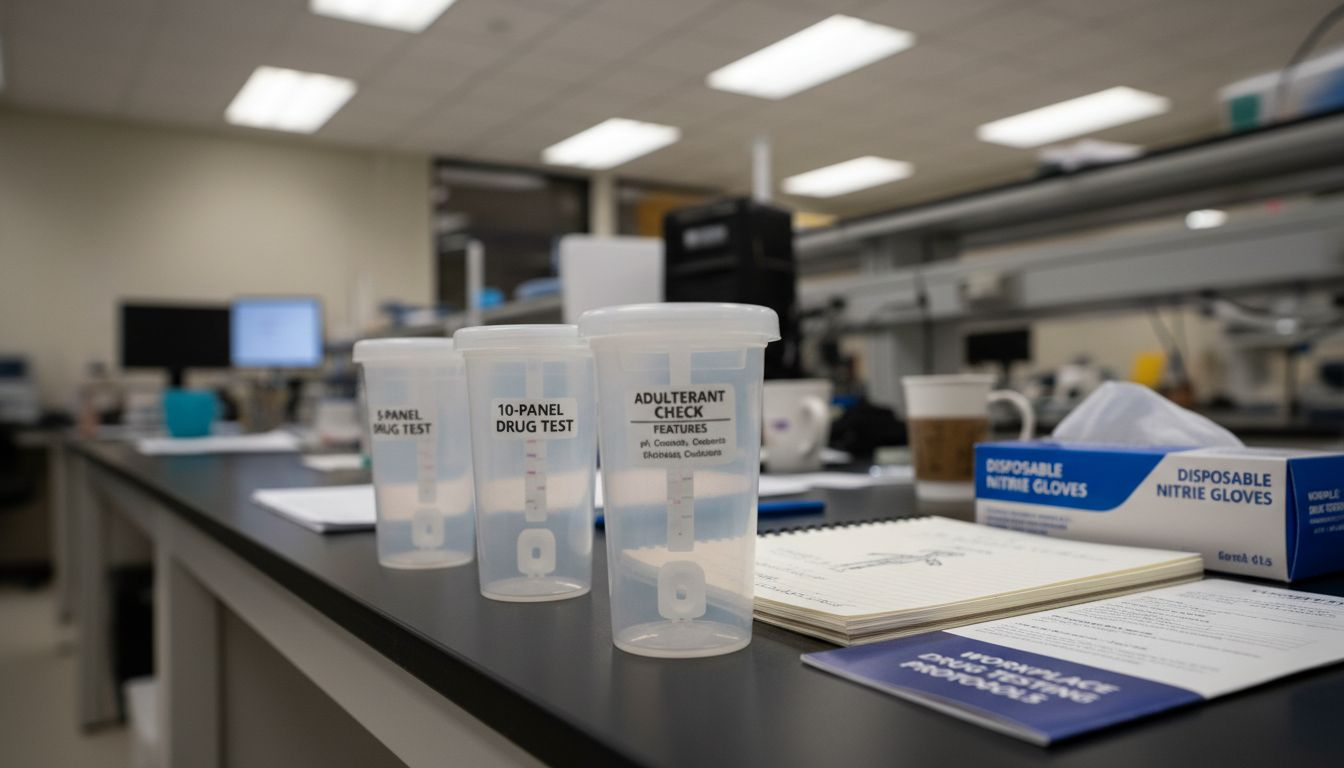
Here’s a summary comparing the main types of drug test cups and their ideal workplace applications:
| Cup Type | Substance Coverage | Typical Use Case | Screening Complexity |
|---|---|---|---|
| Single Panel | One drug only | Targeted clinical screening | Simple |
| 5-Panel | Most common drugs | Pre-employment, general safety | Moderate |
| 10/12/14-Panel | Prescription and illicit drugs | Healthcare, transportation | Comprehensive |
| 28-Panel | All major substances | High-security, risk management | Very advanced |
- Detection window length
- Specificity of drug metabolite identification
- Sensitivity to trace substance amounts
- Inclusion of adulterant detection mechanisms
- Confirmation testing requirements
Specialized drug test cups also exist for specific scenarios, including:
- Synthetic drug detection
- Prescription medication screening
- Alcohol metabolite identification
- Extended opioid panel testing
Advanced drug test cups provide multiple layers of specimen validity checks, ensuring the highest possible screening accuracy and preventing potential sample manipulation.
Pro tip: Select a drug test cup with panel count and features that precisely match your specific workplace screening requirements to maximize testing effectiveness.
Panel Counts, Adulterant Checks, and Custom Features
Modern drug testing technologies have evolved to provide sophisticated specimen validity testing mechanisms that go beyond simple drug detection. These advanced drug test cups incorporate multiple layers of screening to ensure the highest possible accuracy and prevent sample manipulation.
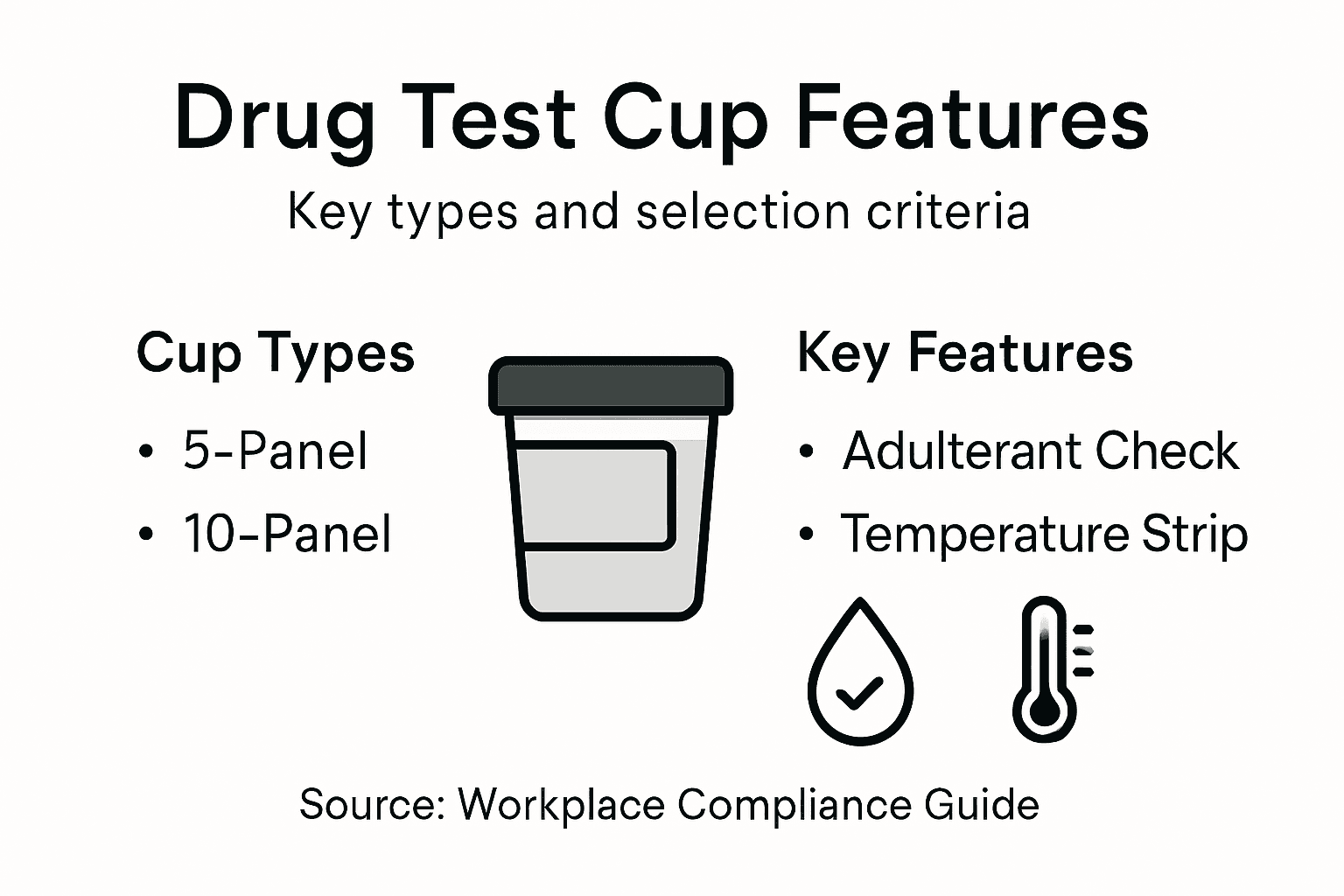
Adulterant checks are critical components of comprehensive drug screening, involving several key parameters:
Below is a reference table outlining key adulterant validity checks and their significance for specimen integrity:
| Validity Check | Function | Business Impact |
|---|---|---|
| Specific Gravity | Detects diluted samples | Prevents test manipulation |
| Creatinine Level | Identifies sample substitution | Ensures authentic results |
| pH Balance | Flags chemical tampering | Safeguards regulatory compliance |
| Oxidant Presence | Spots added chemicals | Protects test result reliability |
| Temperature | Confirms fresh sample collection | Reduces risk of sample fraud |
- Specific Gravity: Measures sample concentration
- Creatinine Levels: Indicates potential sample dilution
- pH Balance: Detects chemical alterations
- Oxidant Presence: Identifies potential sample tampering
- Temperature: Verifies sample authenticity
Custom panel configurations allow organizations to tailor their drug screening approach to specific workplace requirements. These customizable options enable precise targeting of substances most relevant to particular industries or job roles:
- Healthcare settings
- Transportation sectors
- Manufacturing environments
- High-security workplaces
- Rehabilitation programs
Comprehensive drug test cups provide multiple detection mechanisms, transforming workplace screening from a simple compliance check to a sophisticated risk management tool.
The most advanced drug test cups now include innovative features designed to enhance testing reliability:
- Digital result interpretation
- Integrated temperature strips
- Multilayer adulterant detection
- Instant validity indicator
- Chain of custody documentation
Pro tip: Always select a drug test cup with multiple adulterant detection features to maximize the integrity and reliability of your workplace screening program.
Legal, Regulatory, and Accuracy Considerations
Workplace drug testing programs must navigate a complex landscape of regulatory compliance requirements that protect both employer interests and employee rights. The legal framework surrounding drug testing involves multiple layers of federal, state, and local regulations designed to ensure fair and accurate screening processes.
Key legal considerations for drug test cup implementation include:
- Constitutional privacy protections
- Equal Employment Opportunity Commission (EEOC) guidelines
- Americans with Disabilities Act (ADA) requirements
- State-specific workplace testing laws
- Chain of custody documentation standards
- Confidentiality protection protocols
Accuracy standards are paramount in drug testing, with multiple mechanisms designed to validate test results:
- Confirmatory laboratory testing
- Specimen validity checks
- Multiple screening panel configurations
- Certified laboratory analysis
- Rigorous quality control procedures
Legal defensibility depends on maintaining strict protocols, documented procedures, and scientifically validated testing methodologies that protect both organizational and individual rights.
Employers must implement comprehensive strategies to ensure regulatory compliance:
- Develop clear, written drug testing policies
- Provide employee notification and consent procedures
- Maintain strict confidentiality of test results
- Use certified testing laboratories
- Establish clear appeal and verification processes
Pro tip: Consult legal counsel to ensure your drug testing program meets all current federal, state, and local regulatory requirements before implementation.
Choosing the Right Cup for Organizational Needs
Selecting the appropriate drug test cup requires careful consideration of multiple factors that impact workplace safety and compliance. Organizational testing requirements demand strategic selection based on specific workforce characteristics, risk profiles, and regulatory mandates.
Critical factors influencing drug test cup selection include:
- Workforce composition and demographics
- Industry-specific risk levels
- Regulatory compliance requirements
- Budget constraints
- Frequency of testing needed
- Specific substance screening priorities
Organizational risk assessment involves evaluating several key dimensions:
- Types of roles with highest safety sensitivity
- Historical substance use patterns
- Potential workplace safety implications
- Legal and insurance risk mitigation
- Potential financial impact of substance-related incidents
Comprehensive drug testing strategies balance scientific accuracy, legal compliance, and practical workforce management considerations.
Different organizational contexts require tailored testing approaches:
- High-risk industries (transportation, construction) need extensive panel tests
- Corporate environments might prioritize discretion and rapid screening
- Healthcare settings require precise, multi-layered detection mechanisms
- Manufacturing zones demand consistent, rigorous testing protocols
- Small businesses need cost-effective, efficient screening solutions
Pro tip: Conduct a comprehensive workplace risk assessment before selecting a drug test cup to ensure the most appropriate screening methodology for your specific organizational needs.
Mistakes to Avoid When Implementing Drug Cup Screening
Implementing workplace drug screening requires meticulous attention to detail and comprehensive understanding of potential pitfalls. Common drug testing errors can compromise organizational safety and expose companies to significant legal and operational risks.
Critical mistakes organizations frequently encounter include:
- Inadequate personnel training
- Inconsistent testing protocols
- Neglecting confirmatory laboratory testing
- Overlooking sample validity checks
- Failing to maintain strict chain of custody
- Ignoring privacy and confidentiality requirements
Key areas where organizations typically stumble involve complex procedural and legal considerations:
- Improper sample collection techniques
- Inconsistent application of testing policies
- Lack of clear employee communication
- Insufficient documentation
- Neglecting regulatory compliance updates
Technical implementation challenges can undermine drug screening effectiveness:
- Selecting inappropriate drug test cup configurations
- Not verifying cup adulterant detection capabilities
- Misinterpreting test results
- Failing to calibrate testing equipment
- Inadequate staff training on result interpretation
Robust drug testing programs balance scientific accuracy, legal compliance, and human resource considerations while maintaining workplace safety and employee dignity.
Pro tip: Develop a comprehensive, written drug testing protocol that addresses all potential procedural and legal complexities before implementing any screening program.
Streamline Your Workplace Compliance with the Right Drug Test Cups
Navigating the complex world of drug test cup types and ensuring workplace compliance can be overwhelming. With challenges like selecting the ideal panel count, ensuring adulterant detection, and meeting strict regulatory standards, organizations need reliable testing solutions they can trust. Buy Test Cup understands these pain points and offers a robust selection of multi-panel drug test cups designed to match your specific screening requirements while safeguarding specimen integrity and legal compliance.
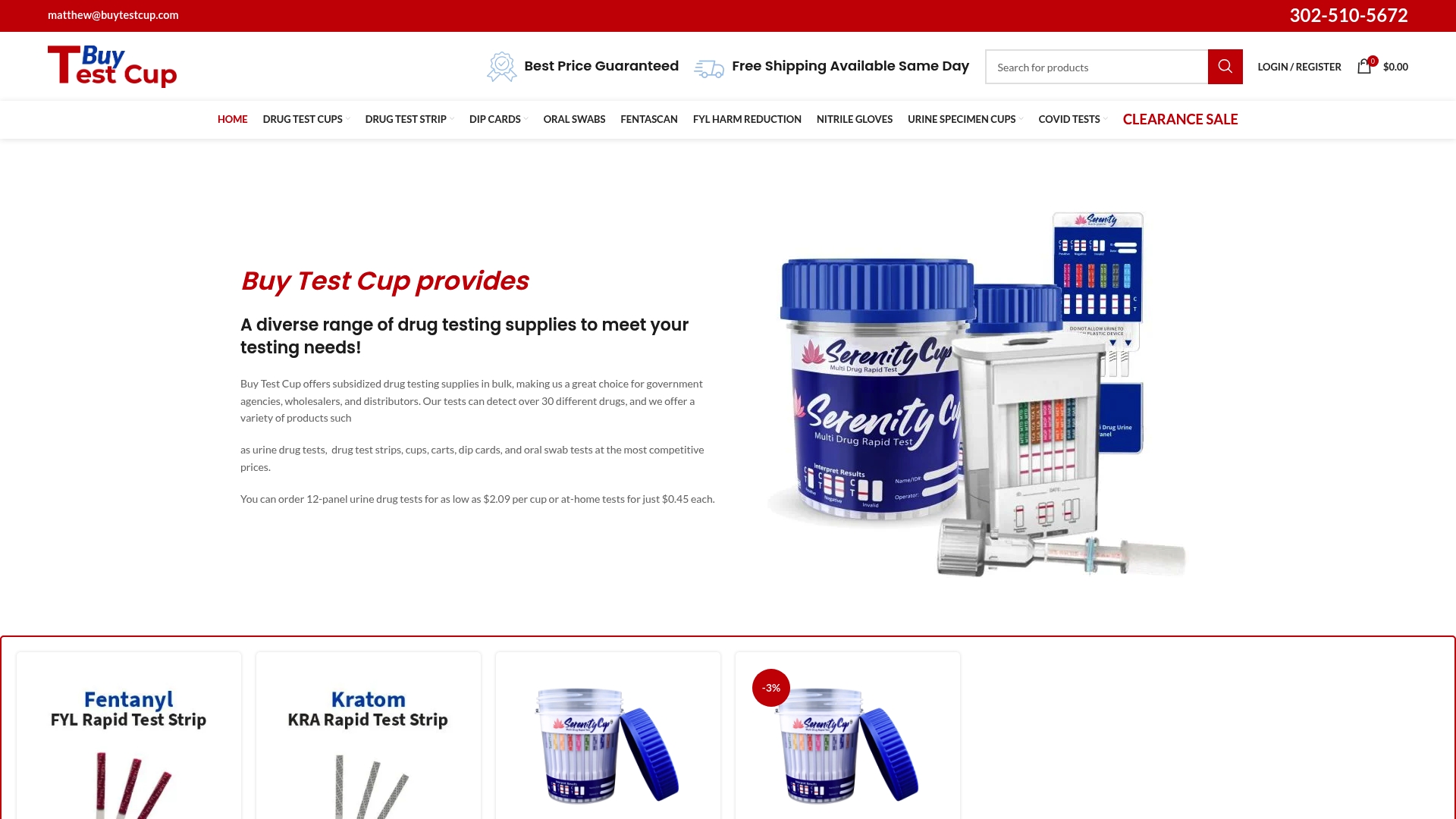
Empower your drug screening program today by choosing from our wide range of high-quality drug test cups and specimen collection kits. Visit Buy Test Cup to explore options tailored for government agencies, clinics, workplaces, and more. Don’t risk inaccurate results or compliance pitfalls. Take control of your drug testing process now with trusted products and same-day shipping available. Explore our full catalog and find exactly what you need to protect your organization’s safety and reputation.
Frequently Asked Questions
What is a drug test cup and how does it work?
A drug test cup is a diagnostic tool that detects multiple drugs in a urine sample. It works by collecting a urine sample directly in the cup, using embedded chemical panels that react with specific drug metabolites to produce immediate, visual results.
What are the different types of drug test cups available?
Drug test cups are primarily categorized by panel count: single panel cups for one drug, 5-panel cups for common substances, 10-panel cups for comprehensive screening, and 12, 14, or even 28-panel cups for advanced screening that includes prescription medications and synthetic drugs.
How can organizations choose the right drug test cup for their needs?
Organizations should consider factors such as workforce demographics, industry-specific risks, regulatory requirements, budget constraints, and the specific substances they need to screen for when selecting a drug test cup.
What are the importance and features of adulterant checks in drug test cups?
Adulterant checks ensure specimen integrity by detecting potential tampering or sample manipulation. Features include specific gravity measurements, creatinine level assessment, and pH balance indicators, which help provide accurate and reliable test results.