


Blog
Types of Drug Test Kits: Choosing the Right Solution


Managing patient compliance in treatment facilities comes with constant time pressure and a need for reliability at every step. For American operational managers, using the right multi-panel drug test kits is vital to quickly identify substance use and maintain accurate records for regulatory audits. With rapid results from urine, saliva, or hair samples, multi-panel test kits combine speed, accuracy, and broad detection to simplify monitoring and support patient safety during recovery.
What Drug Test Kits Are and How They Work
Drug test kits are tools that detect drugs or their metabolites in biological samples like urine, saliva, hair, or blood. Your treatment facility uses these kits to monitor patient compliance and identify substance use patterns during recovery.
These kits employ a two-step process to ensure accuracy:
- Presumptive testing uses colorimetric reagents to quickly indicate possible drug presence
- Confirmatory testing applies sophisticated methods like gas chromatography-mass spectrometry (GC-MS) to definitively identify substances
The first step happens rapidly onsite. A reagent changes color if a specific drug is present, giving you immediate results. This speed matters in your facility when you need quick feedback during patient check-ins.
Confirmatory testing follows when presumptive results require verification. Laboratory analysis provides certainty and creates documentation for compliance records. This two-tier approach prevents false positives that could compromise your patient management decisions.
How immunoassay detection works: The kit contains antibodies that bind to drug metabolites in the sample. When a drug is present, the antibody-drug complex triggers a visible reaction, typically a color change or line appearance on the test strip.
Drug test kits deliver results in minutes, enabling immediate clinical decisions and real-time intervention opportunities during treatment sessions.
Urine-based kits dominate treatment facility operations because they’re non-invasive, cost-effective, and detect drug use within 2-7 days of consumption. Seven key types of drug tests address different monitoring needs based on substance detection windows and patient populations.
Your operational workflow depends on kit reliability. Quality kits reduce testing delays, minimize retesting due to errors, and provide clear documentation for compliance audits. When selecting kits, you’re choosing tools that directly impact patient safety outcomes and facility credibility.
Pro tip: Maintain a testing log documenting kit lot numbers, expiration dates, and results. This creates a compliance trail for regulatory inspections and demonstrates your facility’s commitment to standardized monitoring protocols.
Urine, Saliva, Hair, and Multi-Panel Kits Explained
Urine test kits remain your facility’s workhorse for drug screening. They detect a broad spectrum of substances including opioids, amphetamines, benzodiazepines, cannabinoids, and designer drugs through immunoassay screening followed by confirmatory testing using advanced methods like liquid chromatography quadrupole time of flight mass spectrometry (LC-QTOF-MS).
Urine testing dominates treatment facilities because it balances cost, accuracy, and detection capability. Results appear within minutes, allowing you to address positive findings during the same patient interaction. Most drugs remain detectable in urine for 2-7 days after consumption.
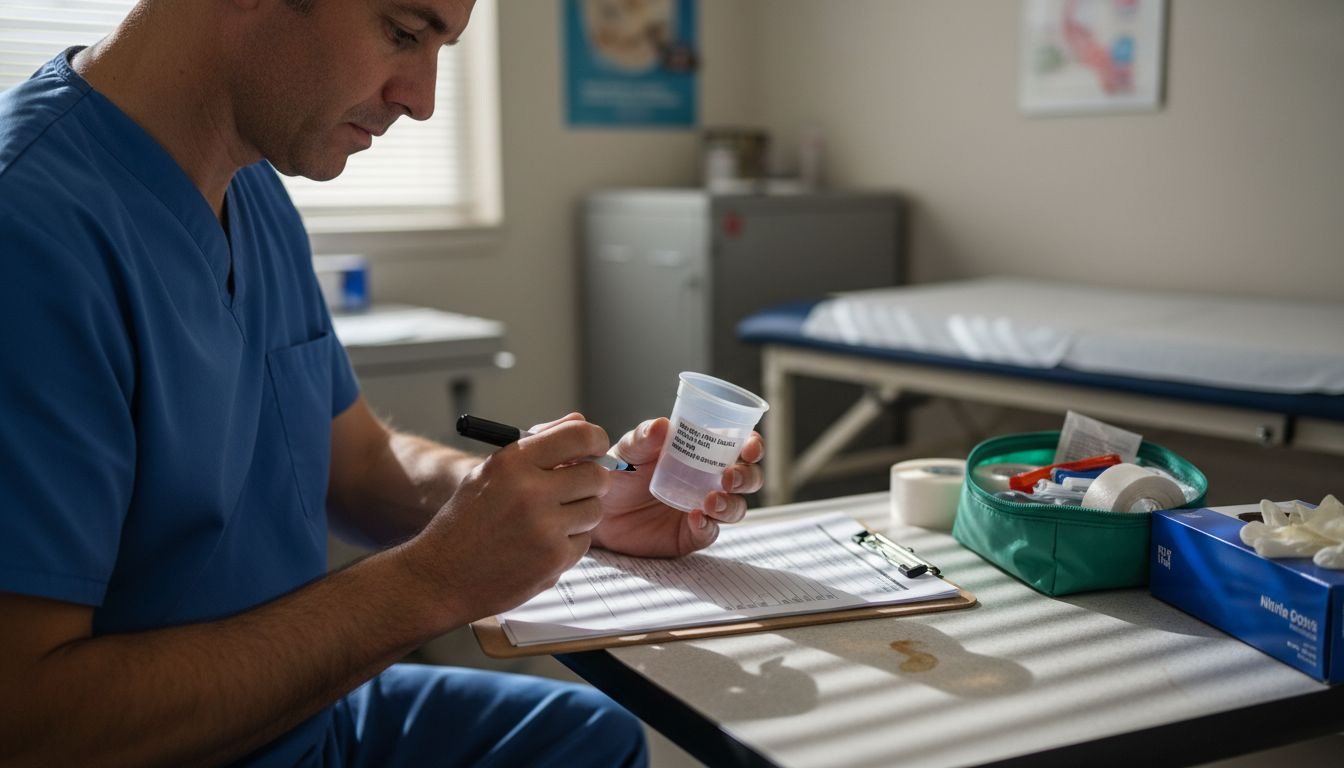
Saliva testing offers a non-invasive alternative that eliminates sample adulteration concerns. Patients cannot manipulate or substitute saliva samples, making collection straightforward in group settings or high-volume environments.
Saliva advantages include:
- Reduced collection risks and contamination concerns
- Immediate results without lab processing delays
- Easier administration for patients with mobility or dignity concerns
- Detection window of 24-48 hours for most substances
Hair testing provides your longest detection window, revealing drug use over 90 days or longer. This approach works when you need historical substance use patterns rather than recent consumption.
Hair testing suits certain situations:
- Court-ordered monitoring requiring extended history
- Assessing patterns before treatment admission
- Detecting chronic use that short-window tests might miss
Multi-panel kits test simultaneously for multiple drugs, broadening detection capabilities and reducing testing time during patient evaluations.
Multi-panel kits integrate multiple tests into single devices, streamlining your workflow. A 28-panel urine drug test cup screens for numerous substances in one collection, eliminating the need for sequential testing rounds.
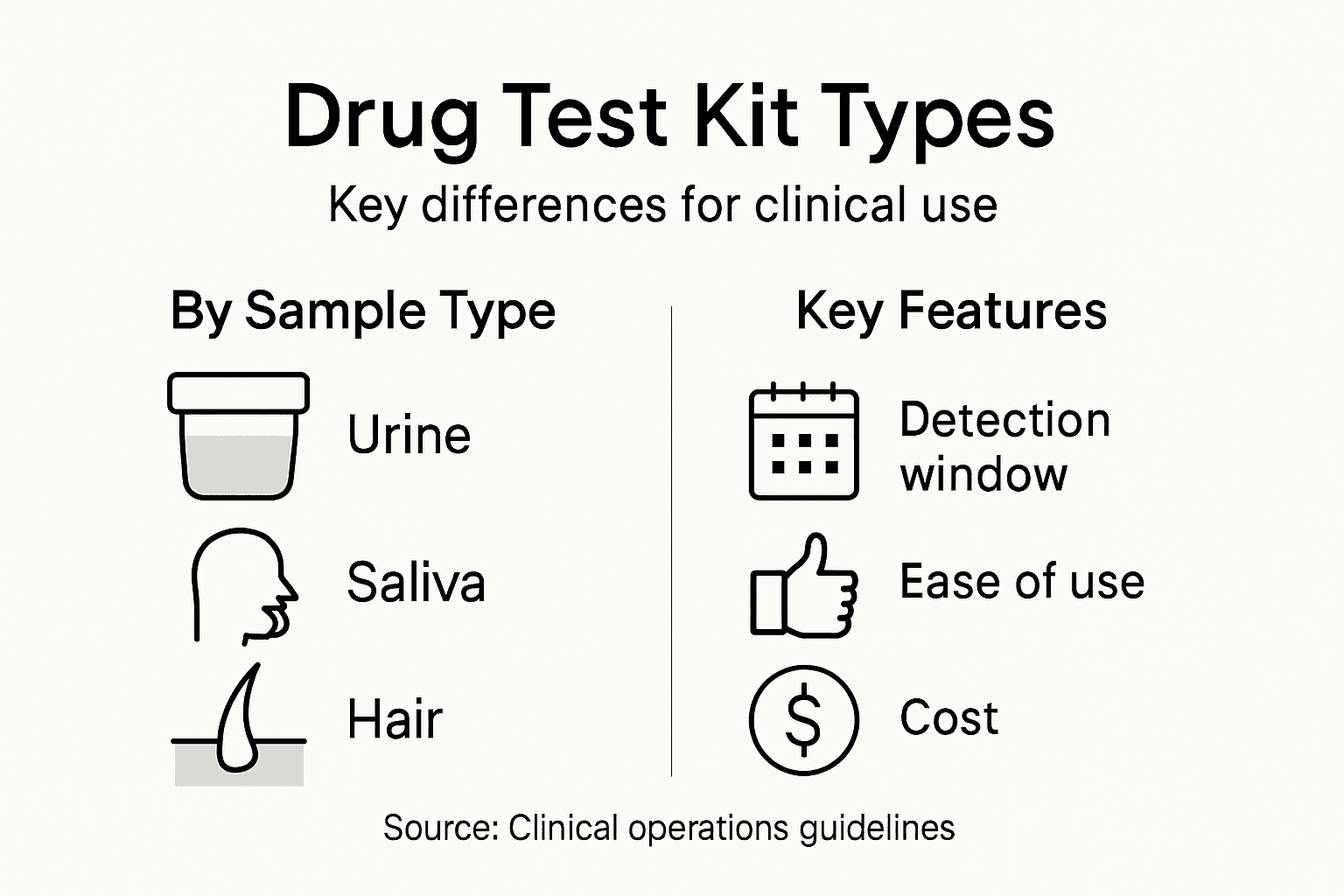
Multi-panel efficiency matters operationally. Fewer testing events reduce patient wait times, decrease administrative burden, and lower per-test costs through bulk purchasing. Your staff conducts one collection instead of multiple, improving throughput.
Choosing the right kit type depends on your facility’s priorities. Balance detection windows, patient comfort, sample security, cost per test, and regulatory requirements. Most treatment programs use urine kits as primary screening with saliva or hair testing for specific situations.
Here’s how urine, saliva, and hair drug test kits compare in key areas:
| Test Type | Detection Window | Collection Complexity | Best Use Case |
|---|---|---|---|
| Urine | 2-7 days | Simple, non-invasive | Routine screening for most patients |
| Saliva | 24-48 hours | Quick, non-invasive | Recent use, group settings |
| Hair | Up to 90 days | Moderate, requires sample | Long-term history, court situations |
Pro tip: Select kits based on your patient population’s needs. High-risk patients benefit from frequent urine testing, while stable patients progressing in recovery may work with saliva kits that encourage compliance through non-invasive collection methods.
Key Features of Drug Test Kits for Clinical Use
Effective drug testing in your treatment facility depends on selecting kits with proven clinical performance. The right kit combines accuracy, speed, and reliability to support your operational decisions and patient care.
Sensitivity and specificity form the foundation of clinical kit performance. Sensitivity measures how effectively a kit detects actual drug presence, while specificity indicates its ability to avoid false positives from similar compounds. Your facility needs both qualities to trust results.
Look for these essential clinical features:
- Rapid turnaround delivering results in minutes for immediate clinical action
- Multi-drug capability screening multiple substances in a single test
- Validated cutoff concentrations optimized to distinguish closely related compounds
- Non-invasive collection reducing patient resistance and increasing compliance
- Robust sample validation detecting common adulteration techniques
Immunoassay screening provides your initial rapid results through antibody-based detection. This first step filters suspected positive samples from confirmed negatives, streamlining your workflow and reducing confirmation testing costs.
Confirmatory mass spectrometry testing follows for suspected positives. This two-tier approach distinguishes closely related opioids and other compounds that immunoassay alone cannot differentiate. Your clinical decisions depend on this accuracy.
Clinically validated kits meet rigorous standards ensuring reliability for medical decision-making and regulatory compliance in treatment settings.
Kits must undergo rigorous validation and meet legal and regulatory standards applicable to treatment facilities. An 8-panel urine test cup represents a validated starting point for most treatment programs, though your specific patient population may require broader multi-panel options.
Sample collection ease directly impacts patient cooperation. Non-invasive urine collection removes barriers compared to blood draws or hair collection. When patients participate willingly, you reduce collection delays and sample rejection rates.
Adulteration detection matters operationally. Kits that identify diluted, substituted, or chemically altered samples prevent manipulation and ensure result validity. Your monitoring program only works when you detect tampering attempts.
Pro tip: Verify that your selected kits carry CLIA waiver status, ensuring they meet clinical lab standards without requiring physician oversight for result interpretation in your facility.
Compliance Requirements and Regulatory Standards
Regulatory compliance isn’t optional for treatment facilities using drug test kits. Federal and state requirements protect patient safety, ensure accurate results, and shield your organization from liability.
FDA regulations govern how drug test kits are manufactured, labeled, and distributed. These requirements mandate accurate performance standards and clear user instructions that your staff can follow reliably. Kits must demonstrate proven accuracy before reaching your facility.
Compliance responsibilities include:
- Selecting CLIA-waived tests that meet federal lab standards
- Verifying FDA clearance or approval for your selected kits
- Maintaining proper documentation of kit lot numbers and expiration dates
- Training staff on correct collection and interpretation procedures
- Establishing quality control protocols for testing consistency
Clinical Laboratory Improvement Amendments (CLIA) sets the standard for diagnostic testing in treatment settings. CLIA-waived tests require minimal regulatory oversight while maintaining rigorous performance standards, making them ideal for operational management.
Your facility must implement Good Clinical Practice (GCP) standards when conducting drug testing for patient monitoring. This includes proper institutional review and ethical oversight of your testing protocols.
Maintaining comprehensive documentation of testing procedures, results, and kit usage demonstrates regulatory readiness during inspections and audits.
Regulatory binder requirements establish your compliance foundation. Documentation should include kit performance data, staff training records, quality control logs, and testing protocols. This comprehensive approach proves your facility follows federal and state regulations.
State regulations add additional layers beyond federal standards. Some states require specific kit types, mandate certain detection thresholds, or impose additional documentation requirements for substance abuse treatment programs.
Audit readiness protects your facility during inspections. Organized records showing kit selection rationale, staff competency training, and consistent testing procedures demonstrate your commitment to regulatory compliance and patient protection.
Pro tip: Create a master compliance checklist documenting kit approvals, staff certifications, quality control schedules, and result storage timelines—review it quarterly to catch gaps before regulators do.
Risks, Misconceptions, and Selecting Alternatives
Drug test kits are powerful tools, but misunderstanding their capabilities creates operational risks. Understanding common misconceptions helps you use testing appropriately and avoid poor clinical decisions based on incomplete information.
The biggest misconception: A positive test proves current impairment or addiction. Testing only detects drug presence in your sample, not how impaired a patient is or whether they’re addicted. A positive result simply indicates substance exposure within the detection window.
Common testing risks include:
- False positives from cross-reactive compounds or collection errors
- False negatives when drugs fall below detection thresholds
- Privacy concerns about testing procedures and result storage
- Stigma creation from positive results without proper context
- Misinterpretation treating results as proof of active addiction
Drug presence doesn’t equal impairment. Someone may test positive days after using drugs when they’re completely sober. This distinction matters when making clinical decisions about patient privileges or discharge planning.
Confirmatory testing mitigates false positive risks. When immunoassay screening returns positive, confirmatory mass spectrometry testing definitively identifies substances. This two-step approach prevents clinical errors from sample mistakes or cross-reactivity.
Drug test results indicate substance presence only—they never prove impairment, addiction severity, or treatment readiness without comprehensive clinical assessment.
Alternatives work alongside testing. Comprehensive treatment programs, counseling, behavioral assessments, and supportive interventions address substance use disorders more effectively than testing alone. Testing monitors compliance; clinical services drive recovery.
Misinterpreting results damages therapeutic relationships. Patients may feel judged or punished rather than supported. Frame positive results as feedback for treatment adjustment rather than moral failure or evidence of dishonesty.
Selectivity matters operationally. Testing everyone equally costs resources without clinical justification. Risk-stratified testing focuses intensive monitoring on high-risk patients while maintaining oversight for stable individuals progressing through recovery.
Staff training prevents misconception propagation. Your team must understand that testing measures compliance, not addiction status or character. This mindset protects patient dignity while maintaining program accountability.
This table clarifies drug testing misconceptions, risks, and their operational consequences:
| Misconception or Risk | Real-World Impact | Recommended Response |
|---|---|---|
| Positive = Impairment | Can wrongly restrict privileges | Use confirmatory testing |
| False positives/negatives | Unnecessary retesting, errors | Implement two-step process |
| Privacy concerns | Damaged trust, legal exposure | Store results securely |
| Testing as sole intervention | Gaps in treatment effectiveness | Combine with clinical care |
Pro tip: When discussing positive results with patients, lead with clinical context: “This tells us your body contained this substance during our testing window. Let’s talk about what happened and how we adjust your treatment plan.” This approach maintains therapeutic alliance while addressing positive findings.
Find the Right Drug Test Kits to Meet Your Facility’s Unique Needs
Choosing the right drug test kits is crucial when your goal is accurate, timely, and reliable results that support patient safety and regulatory compliance. This article highlights the complexity of selecting kits that balance detection windows, sample types, and clinical features while addressing challenges like false positives and patient cooperation. Your treatment facility needs trusted tools that enhance workflow efficiency and uphold testing integrity.
At Buy Test Cup Archives – Buy Test Cup, you will find a broad selection of quality drug test kits including urine cups, multi-panel tests, oral swabs, and adulterant detection supplies tailored for diverse clinical and compliance needs. Whether you require CLIA-waived products or bulk purchasing options for government or workplace programs, our inventory supports your commitment to accurate monitoring and regulatory standards.
Make sure your facility is equipped with drug testing solutions that deliver quick results and clear documentation. Visit Buy Test Cup today to explore our comprehensive product range and experience competitive prices with fast shipping. Don’t wait to enhance your drug screening program; find the right kit now and maintain the trust and care your patients deserve.
Frequently Asked Questions
What are drug test kits used for?
Drug test kits are used to detect the presence of drugs or their metabolites in biological samples such as urine, saliva, hair, or blood. They help treatment facilities monitor patient compliance and identify substance use patterns.
How do urine drug test kits differ from saliva and hair test kits?
Urine drug test kits are non-invasive and can detect substance use within 2-7 days, making them ideal for routine screening. Saliva test kits offer immediate results for recent drug use (24-48 hours), while hair test kits provide a longer detection window of up to 90 days, useful for assessing historical substance use patterns.
What is the importance of confirmatory testing in drug testing?
Confirmatory testing uses advanced methods like gas chromatography-mass spectrometry (GC-MS) to validate positive results from initial presumptive tests. This two-step process ensures accurate identification of substances and minimizes the risk of false positives.
How can I choose the right drug test kit for my facility’s needs?
When choosing a drug test kit, consider factors like detection windows, patient comfort, sample security, cost per test, and the specific substances you need to monitor. Urine tests are typically used for routine screening, while saliva or hair tests may be appropriate for specific situations.