


Blog
Train staff for drug testing programs effectively in 2026


Drug testing errors cost organizations thousands in legal exposure, wasted supplies, and compliance violations. Many HR managers invest heavily in testing programs yet overlook the single most critical success factor: properly trained staff. Without structured training, even the best testing supplies and protocols fail when staff mishandle specimens, miss adulterants, or breach chain of custody procedures. This guide delivers actionable strategies to build compliant, effective staff training programs that minimize risk and maximize accuracy.
Key takeaways
| Point | Details |
|——-|———||
| Structured training reduces costly errors | Proper staff education minimizes legal risks, false negatives, and operational failures in drug testing programs. |
| Prerequisites ensure program readiness | Regulatory knowledge, quality supplies, certified trainers, and suitable training environments form the foundation. |
| Hands-on practice drives competency | Mock scenarios, actual equipment use, and refresher courses maintain skills and accuracy over time. |
| Common mistakes are preventable | Chain-of-custody lapses, adulteration detection failures, and privacy breaches decrease with targeted training. |
| Measurable outcomes verify success | Track pass rates, error frequencies, complaint levels, and false negative rates to ensure continuous improvement. |
Introduction to drug testing staff training
Workplace drug testing operates within a complex regulatory landscape. Federal agencies like DOT and SAMHSA set strict standards, while state laws add additional compliance layers. Untrained staff create serious operational risks: rejected samples waste time and money, missed adulterants produce false negatives, and chain-of-custody errors expose organizations to legal challenges.
Effective training transforms these risks into competitive advantages. Staff who understand proper specimen collection, privacy protocols, and adulteration detection deliver accurate results consistently. Organizations with trained personnel experience fewer employee complaints, lower rejection rates, and stronger workplace drug testing safety compliance outcomes.
The consequences of inadequate training extend beyond immediate operational issues. Legal liability increases when staff fail to follow proper procedures. Employee trust erodes when privacy protocols aren’t maintained. Test accuracy suffers when adulteration goes undetected.
Investing in comprehensive staff training protects your organization on multiple fronts. Well-trained personnel recognize specimen tampering attempts, maintain proper documentation, and handle sensitive situations professionally. They become your first line of defense against compliance violations and operational failures.
Prerequisites: what you need before training staff
Successful training programs require careful preparation. Start by gathering regulatory resources from authoritative sources:
- DOT regulations for transportation industry testing
- SAMHSA guidelines for federal workplace programs
- OSHA standards for workplace safety protocols
- State-specific requirements for your jurisdiction
Quality testing supplies form another essential foundation. Your drug testing supplies checklist should include multi-panel test cups, adulterant detection strips, specimen collection containers, and proper documentation forms. Training with actual equipment prevents confusion during real testing scenarios.
The following table outlines critical prerequisites organized by category:
| Category | Required Items | Purpose |
|———-|—————-|———||
| Regulatory Knowledge | DOT, SAMHSA, OSHA guidelines | Legal compliance foundation |
| Testing Equipment | Multi-panel cups, dip strips, collection kits | Hands-on practice materials |
| Training Personnel | Certified instructors with field experience | Expert guidance and mentorship |
| Training Environment | Private space with proper lighting and ventilation | Professional learning atmosphere |
| Documentation Tools | Chain-of-custody forms, procedure manuals | Standardized processes |
Certified trainers bring invaluable practical experience. Look for instructors with both certification credentials and real-world drug testing experience. They can share common scenarios, troubleshooting tips, and nuanced judgment calls that textbooks miss.
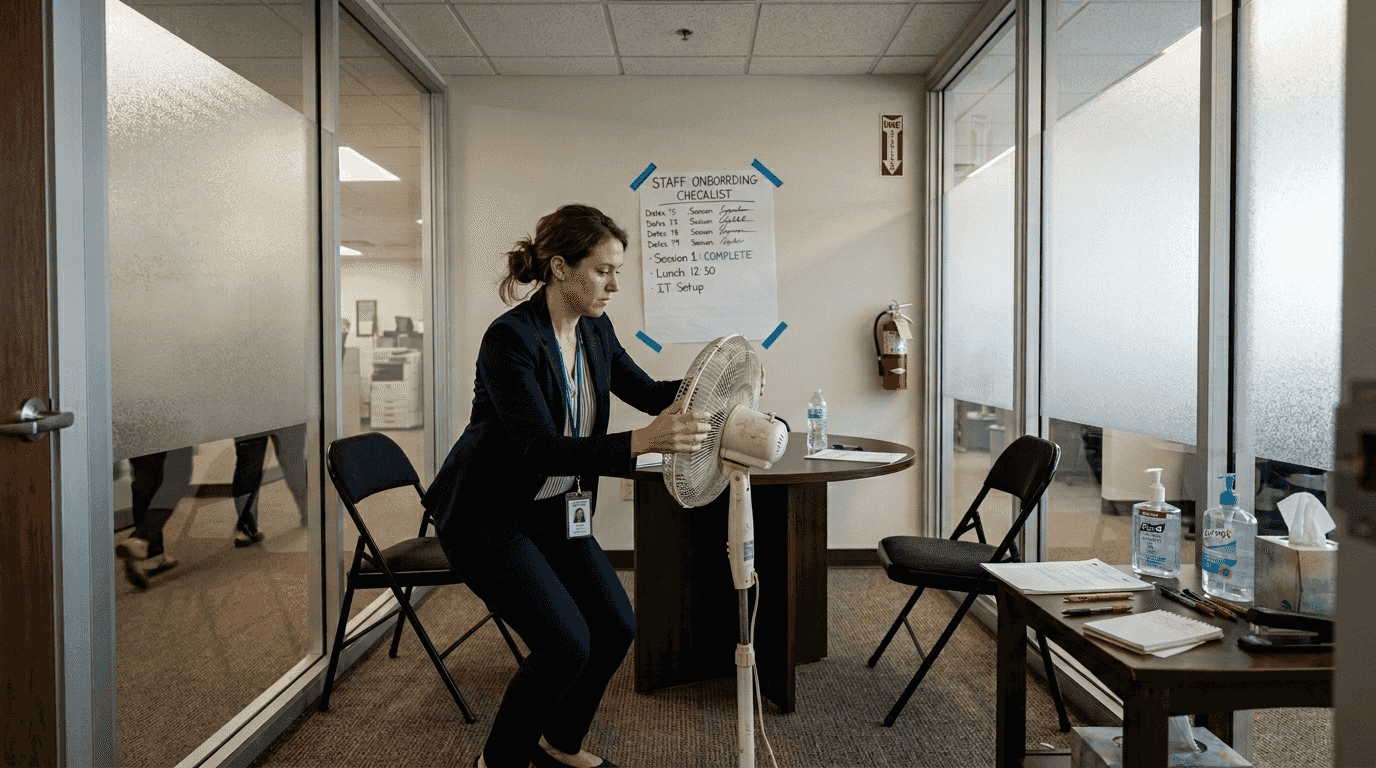
Your training environment matters more than many organizations realize. A private, well-lit space with proper ventilation creates a professional atmosphere. It also allows realistic practice of privacy protocols without actual employee presence.
Core steps in staff training for drug testing
Begin with regulatory and legal compliance education. Staff must understand why procedures exist before learning how to execute them. Cover federal regulations, state laws, and industry-specific requirements relevant to your organization. This foundation helps staff make sound decisions when unexpected situations arise.
Move quickly to hands-on training with actual equipment. Hands-on training significantly improves accuracy by up to 45%, reducing errors that compromise test validity. Have staff practice opening test cups, reading results, and documenting findings under supervision.
Follow these specific training steps:
- Review applicable federal and state regulations for your industry
- Demonstrate proper specimen collection techniques using training kits
- Practice chain-of-custody documentation with sample forms
- Train adulteration detection using actual test strips and known adulterants
- Conduct mock testing scenarios with volunteer participants
- Review privacy protocols and professional conduct standards
- Administer competency assessments to verify understanding
- Schedule follow-up refresher training within six months
Chain-of-custody procedures deserve special attention. Staff must understand that even minor documentation errors can invalidate test results or create legal vulnerabilities. Practice filling out forms completely, maintaining specimen security, and handling transfers properly. Reference your drug screening workflow guide accurate results for detailed procedural standards.
Mock testing scenarios build confidence and reveal knowledge gaps. Set up realistic situations where staff must handle nervous employees, detect potential tampering, and maintain professional boundaries. These practice sessions identify areas needing additional training before staff work with actual employees.
Privacy protocols protect both your organization and employees. Train staff to conduct testing in private areas, maintain confidentiality, and handle sensitive information appropriately. Role-playing exercises help staff practice professional communication during uncomfortable situations.
Pro Tip: Create laminated quick-reference cards with critical procedures like proper cup handling, temperature verification, and adulteration indicators. Staff can keep these cards accessible during actual testing for instant guidance.
Schedule refresher training every six months minimum. Skills decay without regular practice, and regulations change frequently. Brief refresher sessions maintain competency more effectively than annual comprehensive retraining. Use your employee drug testing checklist to track training completion and identify staff needing updates.
Common mistakes and how to avoid them in staff training
Ignoring chain-of-custody training creates the most severe compliance risks. Samples without proper documentation get rejected by labs, wasting time and money. Worse, chain-of-custody failures can invalidate positive tests, allowing impaired employees to remain in safety-sensitive positions. Address this by dedicating substantial training time to documentation procedures and conducting regular audits of completed forms.
Lack of adulteration detection training causes false negatives that undermine program effectiveness. Specific training on adulterant test strips reduces false negatives by 40% by helping staff recognize tampering attempts. Train staff to check specimen temperature immediately, look for unusual color or odor, and properly use adulterant test strips.
Neglecting privacy safeguards increases employee complaints and legal exposure. Staff who conduct testing in inappropriate locations, discuss results publicly, or fail to maintain professional boundaries create hostile work environments. Prevent this by:
- Establishing clear privacy protocols in writing
- Training staff on confidentiality requirements
- Providing private testing areas with proper facilities
- Reviewing complaint procedures and consequences
Omitting refresher courses results in declining staff skills over time. Employees forget infrequently-used procedures, miss regulatory updates, and develop bad habits without ongoing education. Combat skill decay by scheduling brief quarterly reviews of critical procedures and annual comprehensive retraining.
Failing to update training materials as regulations evolve leaves staff operating under outdated procedures. Subscribe to regulatory agency updates, review your drug testing program workflow compliance protocols regularly, and revise training content promptly when requirements change.
Pro Tip: Record common training questions and create a frequently asked questions document. This resource helps new staff find answers quickly and identifies topics needing clearer explanation in formal training.
Expected outcomes and success metrics for drug testing staff training
Effective training programs produce measurable improvements across multiple dimensions. Aim for a 95% pass rate on initial competency assessments. Lower pass rates indicate training content needs improvement or staff need additional preparation time.
Procedural error rates provide clear performance indicators. Track documentation mistakes, chain-of-custody breaks, and improper specimen handling. Keep these errors under 5% through consistent training and regular performance reviews.
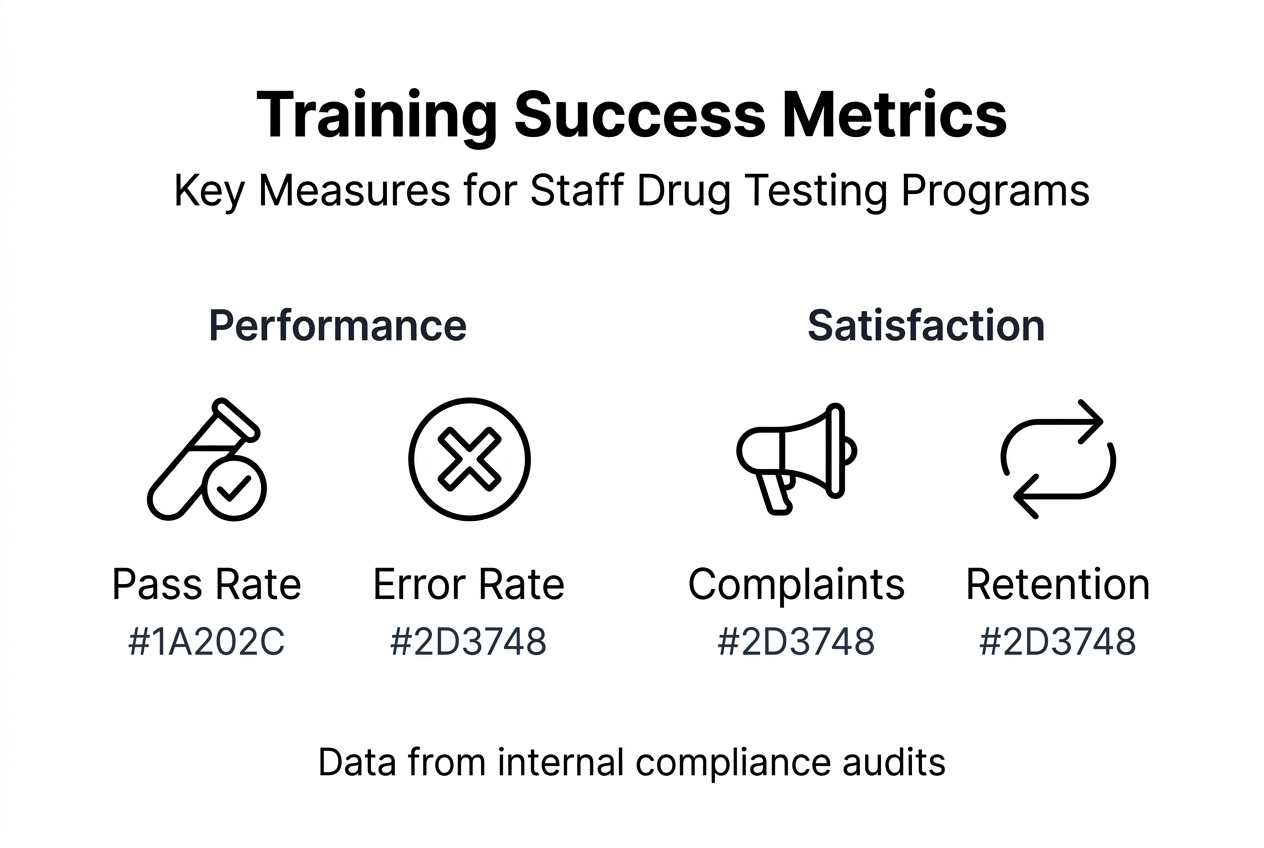
Employee complaints related to privacy and professional conduct should decrease by at least 25% after implementing comprehensive staff training. Monitor complaint trends to identify specific areas where staff need additional guidance. Reference your employee drug testing checklist for compliance to ensure all privacy protocols receive adequate training coverage.
The following table shows key performance indicators and target benchmarks:
| Metric | Target | Measurement Method |
|---|---|---|
| Initial Competency Pass Rate | 95% or higher | Written and practical assessments |
| Procedural Error Rate | Under 5% | Quality assurance audits |
| Privacy Complaint Reduction | 25% decrease | Employee feedback tracking |
| Staff Competency Retention | 90% after six months | Refresher assessment scores |
| False Negative Rate | Ongoing reduction | Lab confirmation comparisons |
Maintain 90% or higher staff competency scores even after six months between training sessions. Lower retention rates indicate refresher training occurs too infrequently or initial training lacks depth.
False negative reduction serves as your ultimate success indicator. Compare preliminary screening results with laboratory confirmations to identify patterns. Declining false negative rates demonstrate staff increasingly recognize adulteration attempts and follow proper procedures.
Document all training activities, assessment results, and performance metrics. This documentation proves compliance during audits and helps identify training program strengths and weaknesses.
Alternative training approaches and tradeoffs
Traditional in-person training delivers superior hands-on skill development. Staff practice with actual equipment under expert supervision, ask questions immediately, and build confidence through repetition. However, in-person training costs more due to instructor fees, facility rental, and staff time away from regular duties. Small organizations may struggle to justify these expenses.
Digital training offers cost-effective flexibility. Staff complete modules on their own schedules, reducing operational disruption. Online platforms track completion automatically and update content easily. The major drawback is limited practical experience. Staff learn concepts but lack confidence handling actual specimens and equipment.
Blended learning combines digital convenience with hands-on practice. Staff complete theoretical content online, then attend brief in-person sessions for equipment practice and competency assessment. This approach balances cost, convenience, and skill development effectively.
Consider these factors when choosing your training method:
- Organization size and testing volume
- Available training budget
- Geographic distribution of staff
- Regulatory requirements for hands-on demonstration
- Frequency of regulatory updates
The comparison below highlights key differences:
| Approach | Cost | Skill Development | Flexibility | Best For |
|---|---|---|---|---|
| In-Person | High | Excellent | Low | Large organizations, new programs |
| Digital | Low | Limited | High | Geographically dispersed teams |
| Blended | Moderate | Good | Moderate | Most organizations seeking balance |
Large organizations with high testing volumes typically benefit most from in-person training. The upfront investment pays off through reduced errors and stronger compliance. Small organizations with limited budgets often start with digital training, then add in-person components as resources allow.
Geographically dispersed teams face unique challenges. Bringing staff to a central location for training proves expensive and disruptive. Blended learning lets these organizations deliver core content digitally while arranging regional hands-on sessions.
Regulatory requirements sometimes mandate specific training elements. Review your drug testing methods comparison guide to understand which procedures require demonstrated competency versus conceptual knowledge.
Discover quality drug testing supplies and training resources
Implementing effective staff training requires reliable testing supplies and comprehensive guidance. Access high-quality drug test cups and testing strips designed for training accuracy and real-world application. These supplies help staff practice with the same equipment they’ll use during actual testing, building confidence and competency.
Explore detailed workflow guides to enhance your staff training compliance programs. The drug testing program workflow compliance resource provides structured frameworks that align training content with regulatory requirements and operational best practices. Quality supplies combined with clear guidance create the foundation for successful training implementation and long-term program effectiveness.
Frequently asked questions
What qualifications should trainers have for drug testing staff training?
Trainers should hold certification from recognized organizations like DATIA or SAPAA and possess at least two years of practical drug testing experience. Field experience helps trainers share real-world scenarios and troubleshooting strategies that purely academic instructors cannot provide.
How often should refresher training be conducted to maintain compliance?
Conduct refresher training every six months minimum to sustain staff competency and keep current with regulatory changes. More frequent brief reviews of critical procedures improve retention better than annual comprehensive retraining alone.
What are the most common errors staff make during drug testing?
Staff commonly make chain-of-custody documentation mistakes, fail to detect specimen adulteration, and breach privacy protocols during testing. Structured training with hands-on practice significantly reduces these error rates and improves overall program reliability.
How can organizations measure the success of their drug testing training programs?
Track competency assessment pass rates, procedural error frequencies, employee complaints, and false negative rates to measure training effectiveness. Establish baseline metrics before training, then monitor improvements over time to identify areas needing additional focus and verify continuous program enhancement.