


Blog
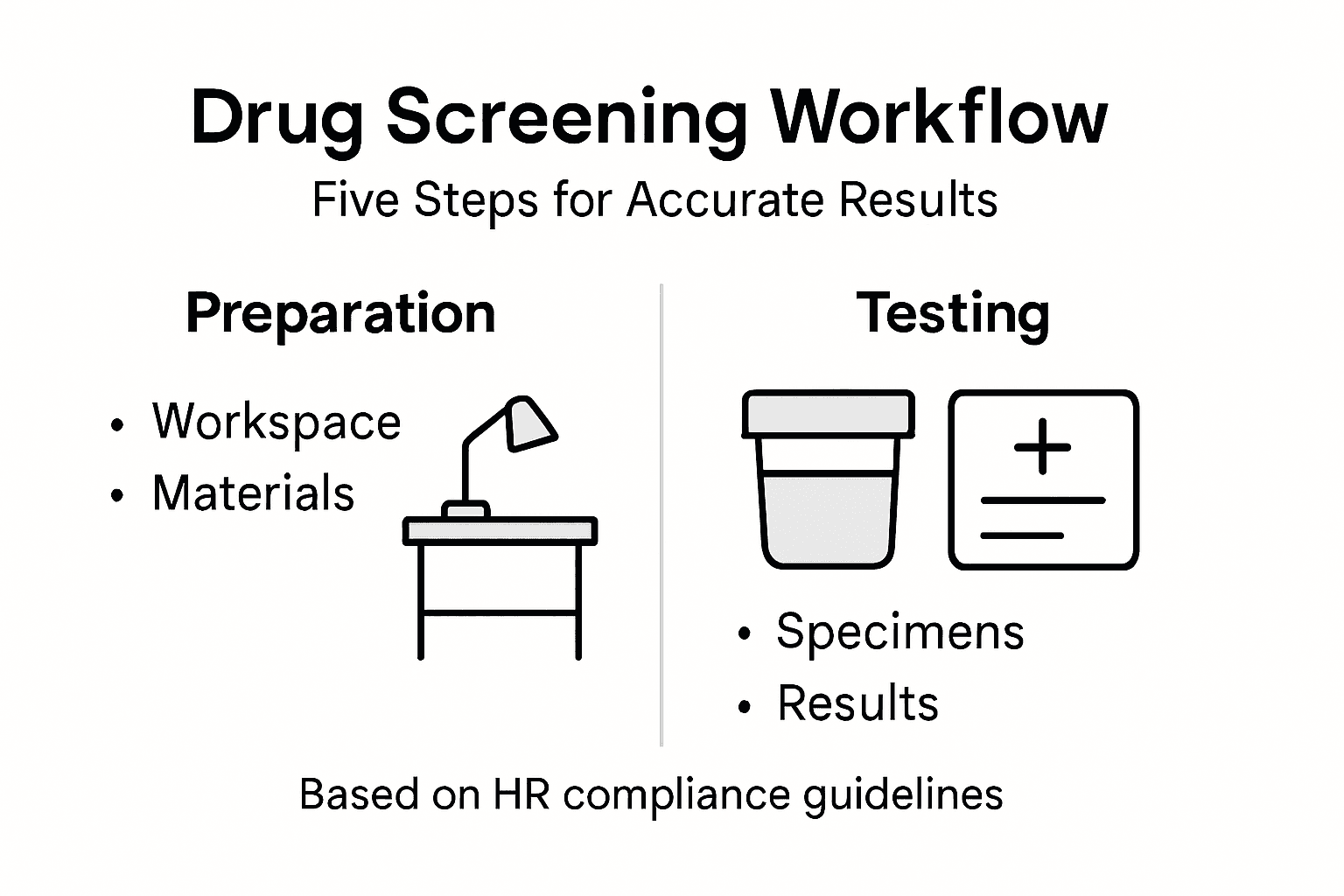
Drug Screening Workflow Guide for Accurate Results

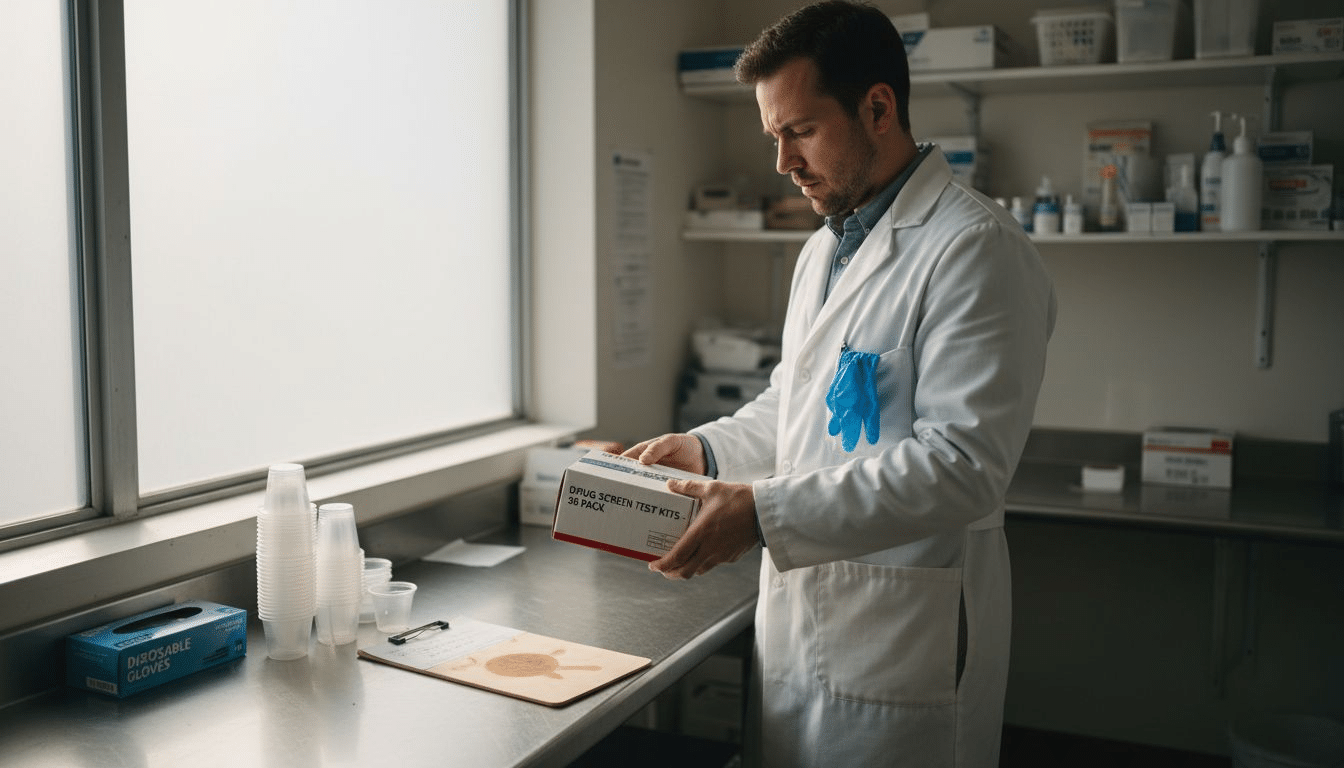
Finding consistent and defensible drug screening results often starts with the simplest step—a well-prepared workspace. For American compliance officers and procurement managers, a testing area meeting strict regulatory requirements is not just a preference, it is fundamental to reliable workplace and forensic screening. This guide highlights the practical preparation, kit selection, collection, documentation, and verification steps that help you maintain integrity and confidence throughout every stage of your drug testing workflow.
Step 1: Prepare testing area and materials
Preparing a clean, organized drug screening workspace is critical for obtaining accurate and reliable test results. Your testing environment directly impacts the precision and validity of drug screening procedures.
Start by selecting a dedicated testing area that meets critical regulatory standards. This space should be clean, well-lit, temperature controlled, and free from potential contaminants. Follow these key preparation steps:
- Choose a location with minimal foot traffic
- Ensure good lighting and ventilation
- Use a clean, sanitized surface for material placement
- Have all necessary supplies within easy reach
Carefully organize your drug screening materials before beginning the testing process. Your standard collection kit should include:
- Sterile collection cups
- Gloves and protective equipment
- Drug test panels or test strips
- Chain of custody forms
- Secure sealing bags
Proper preparation reduces errors and ensures consistent, compliant drug screening workflows.
Each material should be individually inspected for damage, expiration, and packaging integrity before use. Step by Step Urine Drug Testing: Reliable Guidance provides additional insights into maintaining testing standards.
Pro tip: Create a standardized pre-testing checklist to guarantee no critical supplies or steps are overlooked during drug screening preparation.
Step 2: Select and label appropriate test kits
Selecting and labeling the right drug test kits is a critical step in ensuring accurate and reliable screening results. Your choice of testing materials will directly impact the effectiveness of your drug screening workflow.
When selecting test kits, consider these key factors for comprehensive screening:
- The specific substances you need to detect
- Sensitivity and accuracy of the test panels
- Regulatory compliance requirements
- Testing environment and population characteristics
Different testing scenarios require targeted approaches. 5 Panel Rapid Drug Test options provide flexibility for various screening needs, allowing you to match the test kit precisely to your requirements.
Carefully label each test kit with essential tracking information:
- Date of collection
- Unique specimen identifier
- Collector’s initials
- Testing facility or department code
- Specific screening purpose
Accurate labeling is not just a best practice – it’s a critical component of maintaining chain of custody and test validity.
Each test kit should be handled with strict attention to detail, ensuring that all documentation matches the physical specimen and follows established protocols.

Pro tip: Develop a standardized labeling template to minimize human error and create consistency across all drug screening procedures.
Step 3: Collect and secure specimens properly
Collecting and securing drug test specimens requires precision, professionalism, and strict adherence to established protocols. Your approach to specimen collection will directly impact the reliability and legal admissibility of the test results.
When collecting specimens, follow these critical handling procedures:
- Wear appropriate personal protective equipment
- Maintain a clean and controlled collection environment
- Use tamper-evident collection containers
- Minimize potential contamination risks
- Ensure donor privacy and dignity
Proceed with specimen collection systematically:
- Verify donor identification
- Explain collection process
- Observe specimen collection directly
- Check temperature and volume
- Seal and initial specimen container
Chain of custody begins the moment the specimen is collected – every action must be documented and traceable.
Secure documentation is as critical as the physical specimen. 7 Essentials for an Effective Drug Testing Supplies Checklist provides comprehensive guidance on maintaining rigorous documentation standards.
Pro tip: Always maintain a standardized witness log that tracks every individual who handles the specimen from collection through final analysis.
Step 4: Conduct testing and record results
Conducting drug screening tests and meticulously recording results requires precision, attention to detail, and adherence to standardized protocols. Your systematic approach will ensure the reliability and legal defensibility of the testing process.
Execute drug screening procedures using these comprehensive steps:
- Follow manufacturer’s test kit instructions precisely
- Use proper testing equipment and techniques
- Monitor test panel for accurate color or indicator changes
- Time the test exactly according to specified protocol
- Validate test results using established cutoff levels
Proceed with result documentation systematically:
- Record initial screening results immediately
- Note exact time of test completion
- Document test panel and specific substances screened
- Include temperature and visual specimen characteristics
- Sign and timestamp all documentation
Accurate documentation is not just a best practice – it’s a legal and professional requirement that protects both the testing organization and the individual being tested.
5 Panel Rapid Drug Test options provide reliable screening mechanisms that support comprehensive result tracking and interpretation.
Pro tip: Create a standardized digital or physical template that captures all critical testing information to minimize human error and ensure consistent documentation.
Step 5: Verify accuracy and compliance procedures
Ensuring the accuracy and regulatory compliance of drug screening results requires a meticulous and systematic approach. Your verification process serves as the final critical checkpoint in maintaining the integrity of the entire testing workflow.
Implement comprehensive verification protocols by focusing on these key areas:
- Cross-reference initial screening results
- Conduct confirmatory testing for positive screens
- Validate chain of custody documentation
- Review technical procedures and methodologies
- Ensure compliance with regulatory standards
Execute accuracy verification through these steps:
- Compare screening results against established cutoff levels
- Perform secondary analytical confirmation
- Check all documentation for completeness
- Validate specimen handling procedures
- Review technical analyst’s interpretation
Rigorous verification is not about questioning results, but about guaranteeing the highest standards of scientific and legal reliability.
7 Step Employee Drug Testing Checklist for HR Compliance provides additional guidance on maintaining comprehensive verification standards.
Pro tip: Implement a double-verification system where two qualified professionals independently review test results to minimize potential human error.
Use this table to quickly reference key drug screening documentation requirements:
| Document Type | Essential Contents | Importance |
|---|---|---|
| Chain of Custody Form | Donor ID, handlers, dates | Ensures sample traceability |
| Test Kit Label | Specimen code, collector initials | Prevents mix-ups and maintains process reliability |
| Result Log | Test outcomes, time stamps | Legally supports test outcomes |
| Witness Log | Handlers, dates/times, signatures | Adds accountability throughout process |
Here’s how each step in the drug screening process contributes to overall test accuracy and compliance:
| Step | Main Focus | Impact on Accuracy | Impact on Compliance |
|---|---|---|---|
| Preparation | Organized workspace, ready materials | Reduces contamination and mix-ups | Supports audit-readiness |
| Kit Selection & Labeling | Right kit, proper tracking | Matches test to substances | Maintains legal chain of custody |
| Specimen Collection | Secure handling, privacy | Ensures valid sample integrity | Upholds donor rights |
| Testing & Documentation | Timed tests, detailed records | Prevents result interpretation errors | Provides legal documentation |
| Verification | Double-check, protocols | Identifies any discrepancies | Meets regulatory standards |
Streamline Your Drug Screening Workflow with Reliable Testing Supplies
Navigating the complexities of drug screening workflows is challenging. From preparing a clean testing area to ensuring strict chain of custody and verifying results accurately, each step demands precision and the right tools. Common pain points like specimen contamination risks and documentation errors can compromise test validity and compliance. Buy Test Cup understands these challenges and offers a trusted selection of multi-panel drug test cups, specimen collection kits, and adulterant testing supplies designed specifically to support your precise screening needs.
Enhance the accuracy and efficiency of your drug screening process by choosing quality products that meet regulatory standards and simplify critical steps such as labeling, collection, and result documentation. Explore our extensive catalog with competitive pricing and fast shipping options at Buy Test Cup. Ready to improve your testing accuracy while maintaining compliance? Visit our 5 Panel Rapid Drug Test solutions and review essential protocols in our 7 Essentials for an Effective Drug Testing Supplies Checklist to get started now.
Frequently Asked Questions
What are the key steps in the drug screening workflow for accurate results?
The drug screening workflow comprises five key steps: preparing the testing area and materials, selecting and labeling appropriate test kits, collecting and securing specimens properly, conducting testing and recording results, and verifying accuracy and compliance procedures. Follow these steps systematically to enhance the reliability of your results.
How can I ensure my testing environment is suitable for drug screening?
To ensure your testing environment is suitable, select a clean, organized space with good lighting and minimal foot traffic. Maintain a temperature-controlled environment, and sanitize all surfaces and equipment beforehand to reduce contamination risks.
What should I include in my drug screening materials checklist?
Your drug screening materials checklist should include sterile collection cups, gloves, drug test panels or strips, chain of custody forms, and secure sealing bags. Regularly inspect all items for damage and expiration to guarantee reliability during the testing process.
How do I properly label test kits to maintain chain of custody?
Label each test kit with essential details such as the date of collection, unique specimen identifier, collector’s initials, and specific screening purpose. Accurate labeling is critical to prevent mix-ups and maintain the legal validity of the test results.
What procedures should I follow during specimen collection to ensure accuracy?
During specimen collection, wear appropriate personal protective equipment and follow a systematic approach that includes verifying donor identification, directly observing the collection process, and sealing the specimen container. Ensure each action is documented and traceable to uphold the integrity of the testing process.
How can I verify the accuracy of my drug screening results?
To verify accuracy, cross-reference initial screening results, conduct confirmatory testing for positive screens, and review chain of custody documentation. Implement a double-verification system where two qualified professionals independently review results to minimize errors.
Recommended
- Step by Step Urine Drug Testing: Reliable Guidance
- 7-Step Employee Drug Testing Checklist for HR Compliance
- Drug Test Cup Types Explained: Ensuring Workplace Compliance
- 7 Essentials for an Effective Drug Testing Supplies Checklist