


Blog
What Is Drug Screening and Why It Matters


Finding dependable drug screening solutions can be challenging when each testing method offers different detection windows and accuracy levels. For government agencies, keeping workplaces safe and compliant depends on choosing tools that match real-world demands. This article breaks down the basics of drug screening, highlights common misconceptions, and explains the strengths of methods like urine, blood, hair, and saliva tests so procurement teams and compliance officers can make informed decisions for effective monitoring.
Drug screening basics and common misconceptions
Drug screening is a systematic process of analyzing biological samples to detect the presence of specific substances or their metabolites. These tests serve critical functions across multiple domains, including workplace compliance, medical diagnostics, legal proceedings, and addiction treatment monitoring.
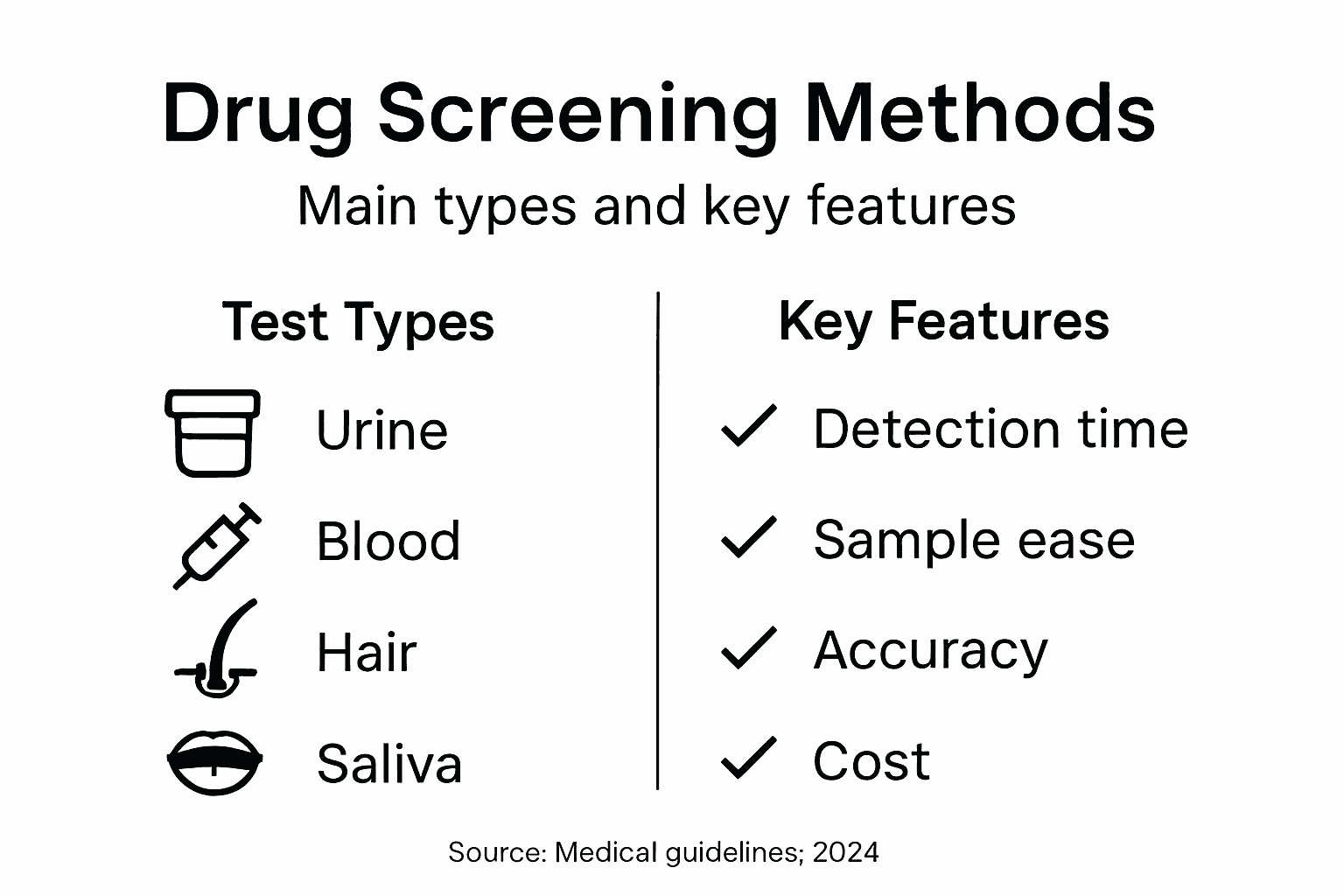
Understanding the fundamentals requires recognizing that drug tests are complex analytical tools with specific limitations. Detection methods vary widely, utilizing different biological samples like urine, blood, hair, and saliva, each offering unique insights and detection windows for various substances:
- Urine tests: Most common screening method
- Blood tests: Provide precise current substance concentration
- Hair follicle tests: Can detect long-term historical drug use
- Saliva tests: Identify recent substance consumption
Common misconceptions often emerge from misunderstanding test capabilities. Drug test accuracy varies significantly depending on multiple factors such as sample quality, testing protocol, and specific substances being screened.
Drug testing is not about punishment, but about ensuring safety and supporting individuals in maintaining healthy environments.
Medical experts emphasize that drug tests cannot definitively determine frequency or intensity of substance use. They provide a snapshot of potential substance presence within specific detection windows. The timeframe for detecting different drugs ranges dramatically – from hours to months – based on factors like metabolism, hydration, frequency of use, and individual physiological characteristics.
Professional drug screening involves sophisticated processes designed to minimize false positives and ensure reliable results. Laboratories follow strict protocols, including initial screening tests followed by confirmatory testing using more precise methods like gas chromatography-mass spectrometry (GC-MS).
Pro tip: Always ensure drug testing protocols are standardized, transparent, and conducted by certified professionals to maintain accuracy and legal compliance.
Different types of drug screening tests
Drug screening encompasses multiple testing methodologies, each designed to detect substance use through different biological samples and detection windows. Drug test cup types represent just one of several sophisticated approaches used by medical professionals, legal experts, and workplace compliance teams.
Screening methods vary widely, offering unique advantages for different contexts and objectives. The primary drug testing approaches include:
- Urine tests: Most prevalent screening method
- Blood tests: Provides precise substance concentration measurements
- Hair follicle tests: Reveals long-term substance use history
- Saliva tests: Identifies recent substance consumption
- Sweat patch tests: Monitors continuous substance exposure
Effective drug screening requires understanding the specific capabilities and limitations of each testing methodology.
Urine drug tests remain the most common screening approach due to their cost-effectiveness and relatively comprehensive detection capabilities. These tests can identify a wide range of substances, including prescription medications, illicit drugs, and performance-enhancing compounds. Detection windows typically range from 2-7 days for most substances, though this varies based on individual metabolism and substance characteristics.
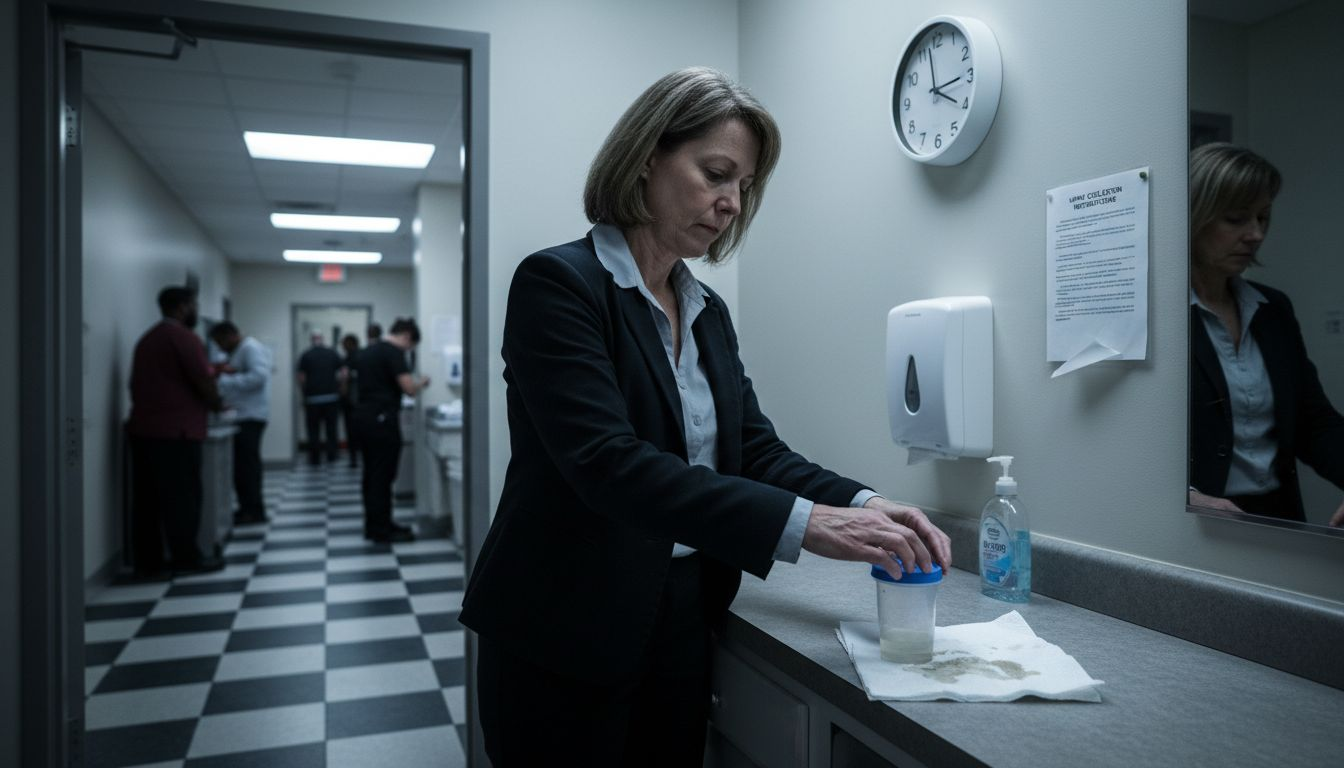
Blood and hair tests offer more specialized insights. Blood tests provide immediate and precise measurements of current substance levels, making them valuable in medical emergencies or legal proceedings. Hair follicle tests can detect substance use patterns extending up to 90 days, offering a more comprehensive historical view of potential substance consumption.
Saliva and sweat patch tests represent more recent innovations in drug screening technology. Saliva tests are minimally invasive and can detect recent substance use within hours, while sweat patch tests provide continuous monitoring over several days, making them particularly useful for rehabilitation and workplace monitoring programs.
Here’s a summary of common drug screening methods and their best use cases:
| Method | Best Use Case | Detection Duration | Sample Type |
|---|---|---|---|
| Urine Test | Workplace screening, routine compliance | 2-7 days | Urine |
| Blood Test | Medical emergencies, legal proceedings | Hours to 1-2 days | Blood |
| Hair Follicle Test | Long-term monitoring, history analysis | Up to 90 days | Hair |
| Saliva Test | Spot checks, recent use detection | Hours to 2 days | Saliva |
| Sweat Patch Test | Continuous exposure, rehab monitoring | 7-14 days | Skin (sweat) |
Pro tip: Select the most appropriate drug testing method by considering the specific detection needs, time frame, and context of your screening requirements.
How drug screening procedures work
Drug screening procedures represent a sophisticated, multi-stage process designed to detect and verify substance presence with precision and reliability. Compliance checklists for drug testing play a crucial role in ensuring that each step follows stringent professional standards.
Screening protocols typically involve several key stages:
- Sample collection: Obtaining biological specimens under controlled conditions
- Initial screening: Rapid immunoassay testing for potential substance indicators
- Confirmation testing: Advanced analytical methods to validate initial results
- Result interpretation: Professional analysis of detected substances
- Reporting: Documented findings for appropriate stakeholders
Accurate drug screening requires meticulous attention to detail and adherence to standardized scientific protocols.
The initial screening stage utilizes immunoassay techniques, which provide rapid qualitative results indicating potential substance presence. These initial tests are designed to be sensitive and can detect a broad range of substances quickly. However, they are not definitive and require subsequent confirmation through more precise scientific methods.
Confirmatory testing represents the most critical phase of drug screening procedures. Techniques like gas chromatography-mass spectrometry (GC-MS) offer exceptional precision, capable of identifying specific substances with minimal margin of error. These advanced methods can distinguish between similar molecular structures, ensuring that test results are scientifically validated.
Laboratory professionals follow strict chain-of-custody protocols to maintain sample integrity throughout the testing process. This includes careful documentation, secure storage, and controlled handling to prevent contamination or tampering. The entire procedure is designed to produce reliable, defensible results that can withstand legal and professional scrutiny.
Pro tip: Always verify that your drug screening procedures follow established scientific standards and maintain a comprehensive chain of custody documentation.
Legal standards and workplace compliance
Workplace drug screening operates within a complex legal framework that balances organizational safety with individual employee rights. 7-Step Employee Drug Testing Checklist provides critical guidance for navigating these intricate regulatory requirements.
Legal considerations for drug screening encompass several key dimensions:
- Constitutional protections: Safeguarding employee privacy rights
- Federal regulations: Compliance with workplace safety standards
- State-specific legislation: Varying legal requirements across jurisdictions
- Anti-discrimination protocols: Preventing unfair treatment
- Confidentiality mandates: Protecting sensitive medical information
Effective drug screening requires a delicate balance between organizational safety and individual employee rights.
Federal regulations like the Americans with Disabilities Act (ADA) and Occupational Safety and Health Administration (OSHA) guidelines provide foundational frameworks for workplace drug testing. These standards mandate that screening procedures must be consistent, non-discriminatory, and applied uniformly across all employee groups. Organizations must develop clear, transparent policies that outline the purpose, scope, and potential consequences of drug screening.
State laws introduce additional complexity, with significant variations in drug testing regulations. Some states require explicit employee consent, while others mandate specific protocols for sample collection and result interpretation. Employers must navigate these nuanced legal landscapes, ensuring that their drug screening practices comply with both federal guidelines and local jurisdictional requirements.
Confidentiality represents a critical legal and ethical consideration in drug screening procedures. Medical information obtained through testing must be handled with the highest level of discretion, accessible only to authorized personnel and protected from unauthorized disclosure. Organizations must implement robust data protection mechanisms to prevent potential misuse or inappropriate sharing of sensitive employee health information.
Pro tip: Consult with legal professionals to develop a comprehensive drug screening policy that balances organizational safety with robust employee privacy protections.
Risks, costs, and common mistakes to avoid
Drug screening involves complex financial and operational considerations that extend far beyond simple testing procedures. Drug testing essentials checklist helps organizations mitigate potential risks and avoid costly implementation errors.
Primary risk categories in drug screening include:
- False positive results: Potentially damaging employee relationships
- Compliance violations: Legal and regulatory penalties
- Improper testing procedures: Compromised sample integrity
- Inadequate privacy protections: Potential legal challenges
- Insufficient confirmatory testing: Unreliable screening outcomes
Effective drug screening requires a proactive approach to identifying and mitigating potential risks.
Financial considerations represent a significant aspect of drug screening implementation. Direct costs include testing supplies, laboratory analysis, and personnel training, which can range from $30 to $75 per individual test. Indirect costs potentially include legal expenses, productivity losses, and potential workplace disruptions resulting from inappropriate testing procedures or mishandled results.
Common mistakes often stem from inadequate understanding of testing complexities. Organizations frequently encounter challenges such as cross-reactivity with prescription medications, improper sample collection techniques, and insufficient staff training. These errors can lead to false positives, legal challenges, and compromised screening reliability. Comprehensive staff training and rigorous quality control mechanisms are essential to minimize such risks.
Privacy and confidentiality present critical risk management considerations. Mishandling medical information can result in significant legal liabilities, potential discrimination claims, and erosion of employee trust. Organizations must implement robust data protection protocols, ensuring that test results remain strictly confidential and are accessible only to authorized personnel through secure, controlled channels.
The following table highlights financial and risk considerations for drug screening programs:
| Consideration | Impact on Organization | Risk if Mismanaged |
|---|---|---|
| Direct Costs | Budget allocation, resource planning | Unnecessary expense |
| Testing Accuracy | Reliable results, legal defense | False positives, legal risks |
| Privacy Protocols | Employee trust, regulatory compliance | Data breaches, lawsuits |
| Staff Training | Consistent procedures, fewer errors | Collection mistakes, re-tests |
Pro tip: Develop a comprehensive risk management strategy that includes multiple verification steps, ongoing staff training, and strict confidentiality protocols to minimize potential screening vulnerabilities.
Equip Your Drug Screening Process with Trusted Tools from Buy Test Cup
Navigating the complexities of drug screening requires reliable supplies that ensure accuracy, privacy, and legal compliance. The article highlights key challenges like avoiding false positives, maintaining chain-of-custody, and selecting the right testing methods such as urine tests, saliva tests, and confirmatory procedures. Without high-quality products and standardized protocols, organizations risk costly errors and damaged trust.
Buy Test Cup offers an extensive range of drug testing supplies designed to support professionals in laboratories, workplaces, and healthcare settings. From multi-panel urine test cups to oral swabs and adulterant detection kits, every product is made with precision and regulatory compliance in mind. This ensures your drug screening program benefits from trusted tools that reduce risks and enhance reliability.
Ready to improve your screening accuracy and streamline compliance? Explore our collection of drug test cup types and discover essential employee drug testing checklists that complement your procedures. Visit Buy Test Cup now to order high-quality supplies with fast shipping and expert support.
Frequently Asked Questions
What is drug screening?
Drug screening is a systematic process that analyzes biological samples, such as urine, blood, hair, and saliva, to detect the presence of specific substances or their metabolites for various purposes including workplace compliance and medical diagnostics.
How do different types of drug tests compare?
Different drug tests, such as urine, blood, hair, saliva, and sweat patch tests, vary in their detection capabilities and windows. Urine tests are the most commonly used, while hair tests can detect long-term use, and saliva tests are best for recent consumption.
What factors can affect drug test results?
Detection accuracy can be influenced by sample quality, testing protocol, individual metabolism, hydration levels, and frequency of substance use, making it crucial to understand these variables when interpreting results.
Why is confirmatory testing important in drug screening?
Confirmatory testing, typically involving advanced methods like gas chromatography-mass spectrometry (GC-MS), is essential because it verifies initial screening results, ensuring greater accuracy and reliability in the findings.