


Blog
What Is Multi-Drug Panel Testing: Reliable Compliance Solutions


Finding reliable ways to monitor substance abuse across diverse public sectors can challenge even the most thorough compliance officer. Multi-drug panel testing has become a cornerstone for government agencies seeking consistent, standardized screening methods that support mandated regulatory frameworks. By embracing comprehensive screening strategies grounded in annual federal guideline updates, agencies can safeguard workplace integrity while meeting strict certification protocols from the Department of Health and Human Services and CLIA. This overview brings clarity to multi-drug panel testing options, equipping leaders to balance accuracy, speed, and compliance.
Defining Multi-Drug Panel Testing
Multi-drug panel testing represents a comprehensive screening method designed to detect multiple substances simultaneously through a single clinical assessment. These advanced testing protocols allow compliance officers and organizations to efficiently analyze biological specimens for the presence of various controlled substances, providing rapid and reliable results.
The fundamental characteristics of multi-drug panel testing include:
- Detection of multiple drug classes in one test
- Standardized screening protocols for consistent results
- Ability to customize panel configurations based on specific organizational needs
- Quick turnaround times for immediate decision-making
- High accuracy and scientifically validated methodologies
Typically, multi-drug panel tests can screen for a wide range of substances, including but not limited to:
- Marijuana (THC)
- Cocaine
- Amphetamines
- Opioids
- Benzodiazepines
- Barbiturates
- Methadone
- Synthetic cannabinoids
Drug panel configurations can vary from basic 5-panel screenings to comprehensive 14-panel tests, allowing organizations to select precise testing parameters matching their compliance requirements. Modern multi panel drug screen tests utilize advanced immunoassay technologies that rapidly identify substance metabolites with exceptional precision.
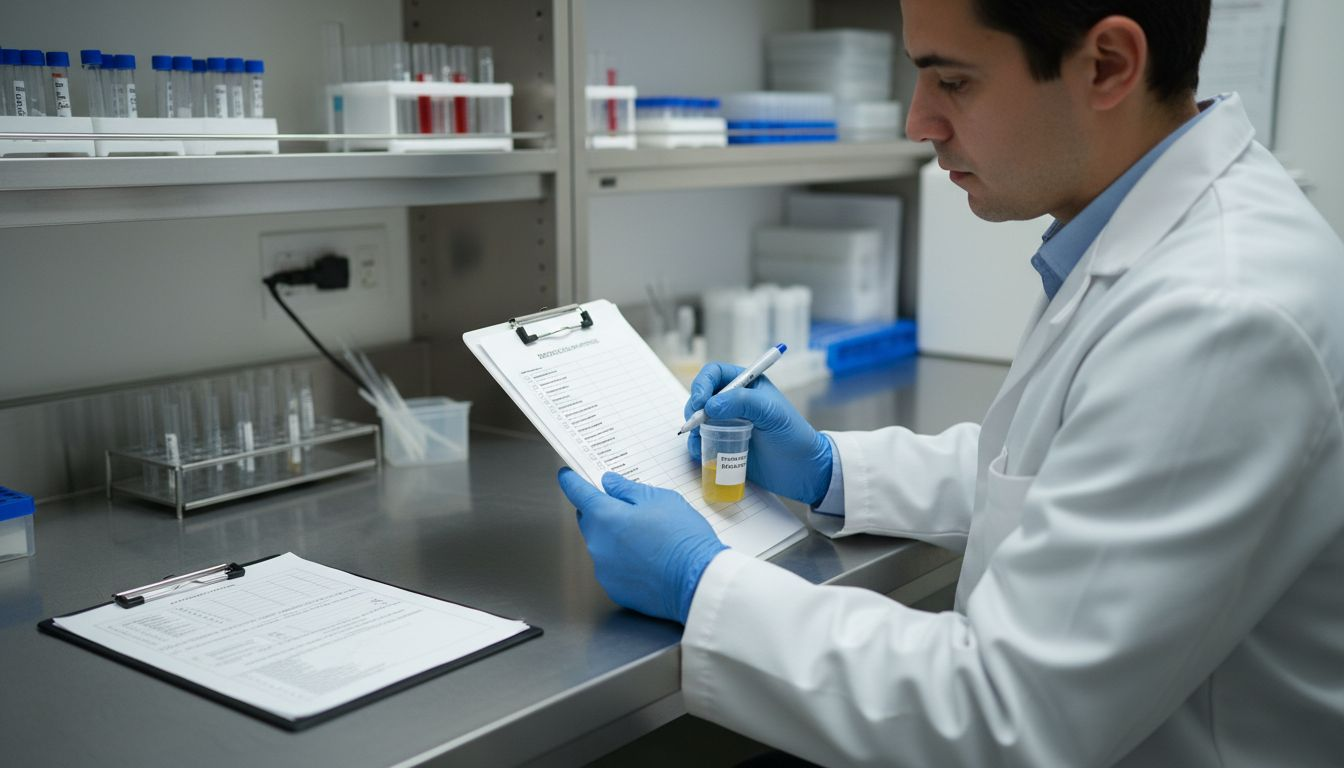
The testing process typically involves collecting biological specimens like urine, saliva, or hair, which are then analyzed using specialized screening equipment. These tests provide statistically significant data that help organizations maintain safe, productive environments while adhering to regulatory standards.
Pro tip: Always validate multi-drug panel testing equipment through certified laboratory comparisons to ensure maximum reliability and compliance with current regulatory guidelines.
Types and Configurations of Drug Panels
Drug panel testing configurations represent sophisticated screening methodologies designed to detect specific ranges of controlled substances with precision and comprehensive coverage. Federal guidelines mandate standardized approaches for designing these multi-panel drug screening protocols, which vary based on organizational requirements and regulatory compliance standards.
The primary drug panel configurations include:
- 5-Panel Tests: Standard screening for core substances
- 10-Panel Tests: Extended detection capabilities
- 12-Panel Tests: Comprehensive substance identification
- 14-Panel Tests: Advanced forensic and clinical screening
Each panel configuration targets distinct substance categories with specific detection parameters:
- Basic workplace screenings
- Comprehensive medical evaluations
- Forensic compliance assessments
- Rehabilitation monitoring programs
The Department of Health and Human Services provides official guidance on authorized testing panels, specifying precise analyte detection standards for various specimen types. 14 Panel Drug Test Cup configurations offer extensive screening capabilities that align with these federal recommendations.
Federal regulations require laboratories to use standardized nomenclature and prescribed cutoff levels when reporting multi-panel drug test results.
Specimen collection methods significantly influence panel configurations, with urine, oral fluid, hair, and blood offering unique detection windows and metabolite identification capabilities. Organizations must select panel designs that balance comprehensive screening with practical testing constraints.
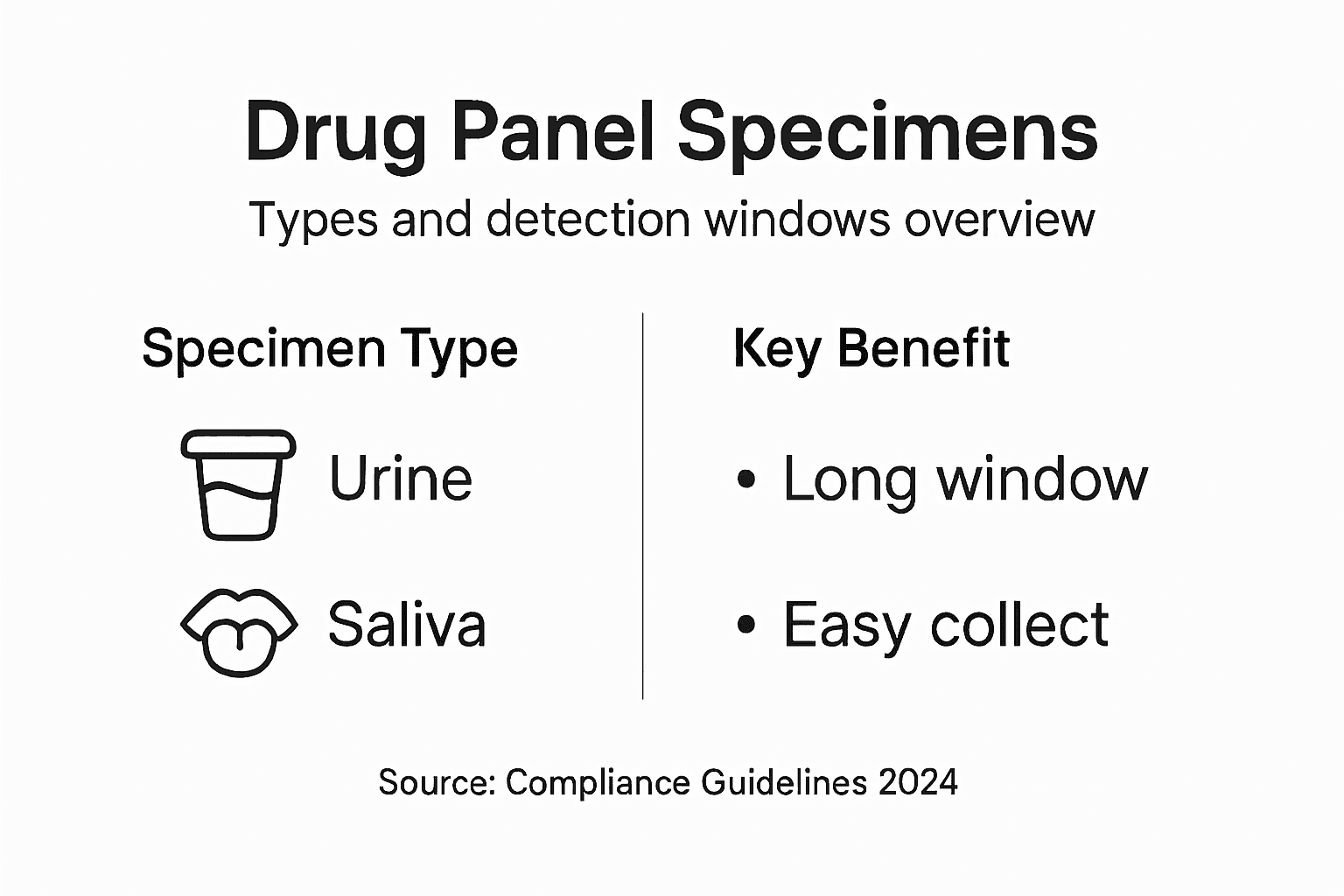
Here’s a comparison of specimen types used in multi-drug panel testing and their unique advantages:
| Specimen Type | Detection Window | Major Benefits | Common Use Cases |
|---|---|---|---|
| Urine | 1-3 days | High accuracy, cost-effective | Workplace, medical screening |
| Saliva | 12-48 hours | Non-invasive, rapid results | Roadside, immediate screening |
| Hair | Up to 90 days | Long-term substance history | Forensic, rehabilitation |
| Blood | Hours to days | Precise concentration levels | Clinical, impairment analysis |
Pro tip: Consult current federal guidelines annually to ensure your drug panel configuration remains compliant with the most recent regulatory standards.
How Multi-Drug Panel Tests Work
Multi-drug panel testing employs sophisticated immunoassay technologies to detect the presence of multiple substances simultaneously through precise biochemical screening mechanisms. These advanced testing protocols leverage complex chemical interactions that identify specific drug metabolites within biological specimens with exceptional accuracy and reliability.
The primary components of multi-drug panel testing include:
- Immunochemical detection mechanisms
- Specialized reactive test strips
- Calibrated screening instruments
- Standardized cutoff level configurations
- Precise metabolite identification protocols
The testing process follows a systematic sequence of critical steps:
- Specimen collection (urine, saliva, or blood)
- Initial immunoassay screening
- Confirmatory laboratory analysis
- Medical review and interpretation
- Result documentation and reporting
Immunoassay technologies utilize antibody-based detection methods that recognize specific molecular structures associated with different drug metabolites. 14 Panel Drug Test Cup configurations leverage these advanced screening techniques to provide comprehensive substance identification across multiple drug categories.
Chemical interactions between drug metabolites and specialized antibody reagents enable rapid and accurate substance detection with minimal false-positive potential.
Each testing panel incorporates unique detection thresholds designed to minimize false readings while maintaining high sensitivity. These thresholds vary depending on specific drug classes, specimen types, and intended screening purposes, ensuring precise and reliable results for compliance monitoring and forensic assessments.
Pro tip: Always validate multi-drug panel test results through confirmatory laboratory testing to ensure maximum accuracy and regulatory compliance.
Regulatory Requirements for Multi-Panel Testing
Regulatory compliance for multi-drug panel testing represents a complex framework of federal guidelines designed to ensure accurate, reliable, and standardized substance screening across various professional and institutional environments. The Department of Health and Human Services establishes comprehensive mandates that govern the implementation, execution, and reporting of drug testing protocols.
Key regulatory requirements encompass several critical domains:
- Mandatory annual guideline updates
- Precise analyte detection standards
- Standardized cutoff concentration levels
- Comprehensive documentation protocols
- Stringent quality control mechanisms
The Clinical Laboratory Improvement Amendments (CLIA) outline specific certification requirements for laboratories conducting multi-panel drug tests:
- Personnel qualification verification
- Comprehensive quality control procedures
- Proficiency testing protocols
- Accurate result documentation
- Consistent methodology validation
Federal workplace drug testing programs mandate strict compliance with these regulatory frameworks. 14 Panel Drug Test Cup configurations must adhere to these comprehensive guidelines to maintain certification and legal validity.
Laboratories failing to meet CLIA standards risk immediate decertification and potential legal consequences for non-compliance.
The regulatory landscape requires ongoing vigilance, with organizations needing to continuously adapt to evolving detection methodologies, technological advancements, and emerging substance identification protocols. Medical Review Officers play a crucial role in interpreting test results and ensuring alignment with current federal guidelines.
This summary highlights the regulatory responsibilities of labs conducting multi-drug panel tests:
| Regulatory Area | Required Actions | Impact on Testing |
|---|---|---|
| Personnel Standards | Verify staff credentials annually | Ensures skilled interpretation |
| Quality Control | Maintain documented validation protocols | Reduces risk of inaccurate results |
| Proficiency Testing | Conduct regular accuracy checks | Guarantees continued compliance |
| Documentation | Secure strict reporting formats | Supports legal and audit standards |
Pro tip: Conduct quarterly internal audits of your drug testing protocols to proactively identify and address potential regulatory compliance gaps.
Risks, Misconceptions, and Best Practices
Multi-drug panel testing involves complex challenges that require comprehensive understanding and strategic management of potential risks and operational limitations. Organizations must navigate a nuanced landscape of technical, regulatory, and procedural considerations to ensure accurate and reliable substance screening protocols.
Common misconceptions about multi-drug panel testing include:
- Assuming all tests provide identical accuracy
- Believing negative results guarantee complete substance absence
- Overlooking potential cross-reactivity between substances
- Underestimating the importance of confirmatory testing
- Misinterpreting cutoff concentration levels
Key risks associated with multi-drug panel testing encompass:
- False positive/negative result potentials
- Specimen collection integrity challenges
- Technological limitations in detection
- Rapid emergence of new synthetic substances
- Complex metabolic interaction variations
Comprehensive screening strategies require meticulous attention to detail and continuous methodology refinement. 14 Panel Drug Test Cup configurations offer advanced capabilities for addressing these complex testing challenges.
Effective multi-drug panel testing demands ongoing training, technological updates, and a commitment to understanding evolving substance detection methodologies.
Best practices for mitigating risks involve implementing rigorous quality control protocols, maintaining updated detection technologies, and ensuring continuous staff training on emerging substance identification techniques. Medical professionals and compliance officers must remain vigilant and adaptable in response to the dynamic landscape of substance screening.
Pro tip: Develop a comprehensive internal validation protocol that regularly cross-references your testing methodologies with the most current federal guidelines and technological advancements.
Ensure Reliable Compliance with Advanced Multi-Drug Panel Testing Solutions
Navigating the complexities of multi-panel drug screening requires precise, scientifically validated tools that align with regulatory standards and deliver accurate results every time. Organizations face challenges like selecting the right panel configuration, maintaining quality control, and meeting CLIA requirements to avoid costly compliance pitfalls. At Buy Test Cup, we understand these critical needs and offer a comprehensive selection of multi panel drug test cups designed to support fast, reliable substance detection for workplace safety, forensic assessments, and rehabilitation monitoring.
Empower your compliance program with our easy-to-use, certified testing supplies that reduce risks such as false positives and provide dependable screening across all major specimen types including urine and oral fluids. Discover our full range of quality-assured testing products by visiting Buy Test Cup today. Take control of your drug testing process now to safeguard your organization and ensure consistent adherence to federal guidelines. Explore our trusted solutions and place an order with confidence for same-day shipping and bulk discounts.
Frequently Asked Questions
What is multi-drug panel testing?
Multi-drug panel testing is a method used to simultaneously detect multiple controlled substances through a single clinical assessment, providing quick and reliable results.
How does multi-drug panel testing work?
Multi-drug panel testing utilizes immunoassay technologies to identify drug metabolites in biological specimens, such as urine or saliva, through specific biochemical screening mechanisms.
What types of specimens are used in multi-drug panel testing?
Common specimens for multi-drug panel testing include urine, saliva, hair, and blood, each having unique detection windows and benefits for substance identification.
What are the benefits of using custom multi-drug panel test configurations?
Custom multi-drug panel test configurations allow organizations to tailor their testing parameters based on specific compliance needs, enhancing detection capabilities and improving the relevance of screening results.
Recommended
- 28 Panel Drug Test Cup | Urine Drug Testing | Buy Test Cup
- 7 Essentials for an Effective Drug Testing Supplies Checklist
- 7-Step Employee Drug Testing Checklist for HR Compliance
- Drug Test Cup Types Explained: Ensuring Workplace Compliance