


13 panel cups


13 Panel Drug Screen with ETG, FEN, TRA (FUO)
As Low As $2.09You save
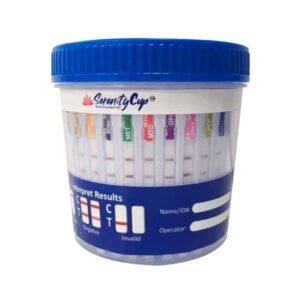
13 Panel Drug Test Cup (90ML) | OPI/300, FEN, ETG, KRA + Adulterants
As Low As $1.99You save
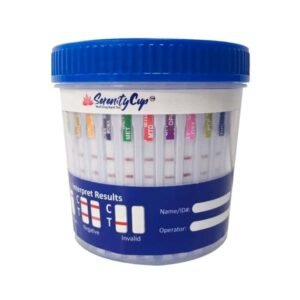
13 Panel Drug Test Cup Economy Cup with ETG, OPI/300, FEN, KRA
As Low As $2.09You save
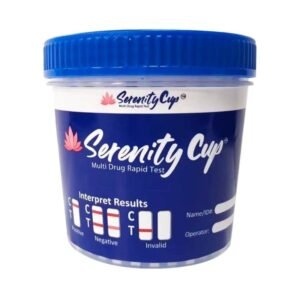
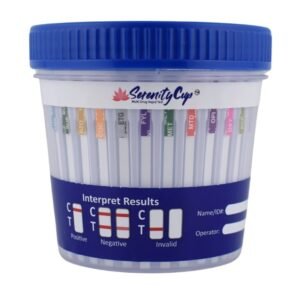
13 Panel Drug Test Cup with ETG FEN KRA & Adulterants – 90ml Economy
As Low As $2.19You save

13 Panel Drug Test Cup with FEN, ETG, K2 & Kra
As Low As $2.09You save
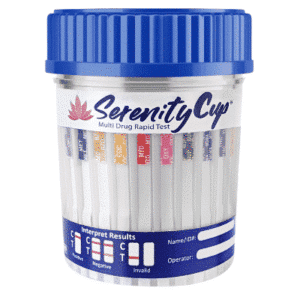
Instant 13 Panel Test Cup | Reliable ETG & PCP Screening
As Low As $2.09You save
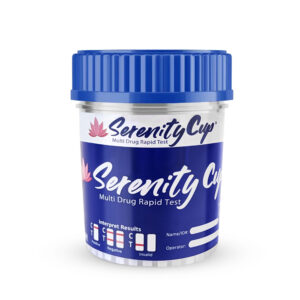
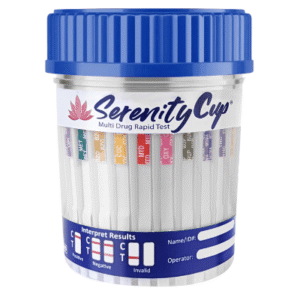
13 Panel Drug Test Cup with GAB, ETG, Fentanyl (FYL) & KRA
As Low As $2.69You save
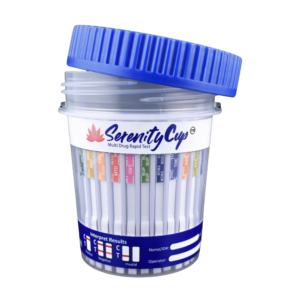
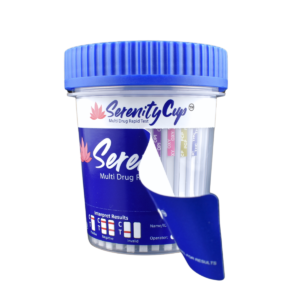
13 Panel Drug Test Cup with Fentanyl (FEN 1ng) | CLIA Waived
As Low As $1.59You save
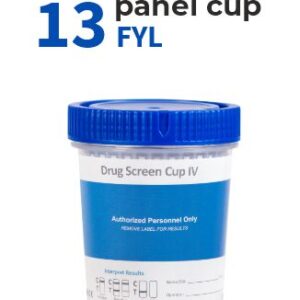
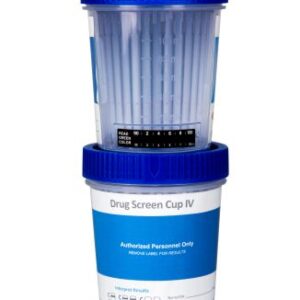
13 Panel Drug Test Cup with Fentanyl (FYL) | 99% Accurate
As Low As $2.39You save
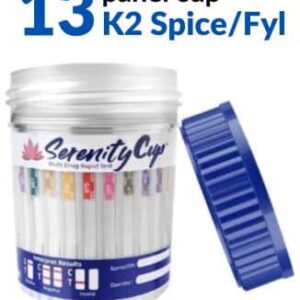
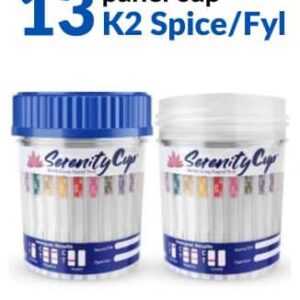
13 Panel Drug Test Cup with K2, Alcohol (EtG) & Fentanyl
As Low As $2.59You save
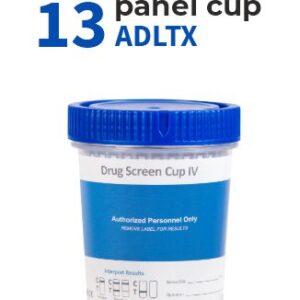
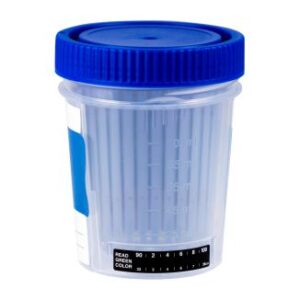
13 Panel Drug Test Cup with Fentanyl & 3 Adulterants (SG/PH/CR)
As Low As $1.59You save
Wholesale 13 Panel Cup Kits
A 13 panel cup is a rapid urine drug screen that simultaneously detects 13 different substances in just five minutes. Employers, clinics, and rehab centers use these point-of-care testing kits to identify standard illicit drugs alongside highly specific substances like fentanyl and alcohol (EtG) at precise SAMHSA cutoff levels.
You need accurate results. Fast.
We supply medical facilities, staffing agencies, and rehab centers nationwide. We see the testing trends firsthand. Standard 5-panel tests miss too much. Street drugs have changed. Your testing protocols must adapt. Upgrading your substance abuse screening program ensures you catch the exact substances circulating in your workplace or recovery center.
We stock specific variations of the 13 panel rapid test. You tell us your risk profile. We provide the exact cup to mitigate it.
Why Upgrade to a 13 Panel Urine Drug Test Cup?
Drug abuse patterns shift quickly. A standard multi-panel drug test covers the basics like marijuana, cocaine, and opiates. But basics leave you blind to modern threats. The 13 panel drug screen fills those dangerous gaps.
Employers face unique risks. Prescription drug abuse impacts productivity. Fentanyl contamination is incredibly common. You cannot afford to guess. Upgrading to a larger panel gives you a wider safety net. You secure results in 5 minutes. You keep your liability low.
We see clinics struggle with synthetic drugs all the time. Standard tests ignore them. We stock specific 13 panel cup configurations to fix this. Need to track kratom abuse? We carry the 13 Panel Drug Test Cup with KRA/500, ETG/300, FEN/20 & Adulterants. Need a wide net for synthetics? Use our 13 Panel Test Cup with KRA/500, K2/50, ETG/300 & FEN/20. You gain complete control over your clinical diagnostics.
What Does a 13 Panel Drug Test For? (SAMHSA Cutoff Levels)
A quality urine analysis drug test relies on strict cutoff levels. These are measured in nanograms per milliliter (ng/mL). SAMHSA sets these specific thresholds. They prevent false positives from secondhand smoke or casual contact. If the drug concentration falls below the cutoff, the test reads negative.
Here are the standard baseline drugs commonly found in our 13 panel cup cutoff levels:
- AMP (Amphetamines): 500 ng/mL
- BAR (Barbiturates): 300 ng/mL
- BUP (Buprenorphine): 10 ng/mL
- BZO (Benzodiazepines): 300 ng/mL
- COC (Cocaine): 150 ng/mL
- mAMP (Methamphetamine): 500 ng/mL
- MDMA (Ecstasy): 500 ng/mL
- MTD (Methadone): 300 ng/mL
- OPI (Opiates): 300 ng/mL
- OXY (Oxycodone): 100 ng/mL
- PCP (Phencyclidine): 25 ng/mL
- THC (Marijuana): 50 ng/mL
The 13th panel is where you customize your defense. You choose the specific analyte that threatens your operation most.
Specialty Panels: Fentanyl, EtG, and Synthetics
The standard list handles everyday threats. But our top clinical clients demand more specific targeting.
Fentanyl and EtG dominate current demand.
Standard alcohol tests fail because alcohol clears the human body incredibly fast. An employee drinks heavily on Sunday. A standard test clears them on Monday morning. Ethyl Glucuronide (EtG) changes the math entirely. EtG is a specific biomarker created when the liver processes alcohol. It remains detectable in urine for up to 80 hours. If you enforce a strict zero-tolerance policy, you absolutely need an ETG drug test cup. We highly recommend our 13 Panel Drug Test Cup with ETG & OPI/300 for probation and sober living homes.
Fentanyl is the other massive risk. A microscopic amount causes an overdose. A standard opiate panel rarely catches it. You need a dedicated fentanyl drug test cup. We supply the 13 Panel Drug Test Cup with FEN/20, ETG/300 & TRA/100. It catches fentanyl at a strict 20 ng/mL cutoff. For maximum sensitivity, we also offer variations testing for FEN/1ng.
Other specialized programs request Tramadol and Gabapentin screening. You can order our 13 Panel Test Cup with TRA/100, PH/SG/CR, ETG/300, FEN/20 or the heavily specialized 13 Panel GAB, EtG, FYL, Cup. These specific combinations guarantee your pre-employment drug testing covers every angle.
Beating the Cheats: The 13 Panel Cup with Adulterants
People try to cheat point of care drug testing supplies constantly. They bring in synthetic urine. They dilute their samples with toilet water. They dump bleach into the urine collection cup. You have likely seen it all firsthand.
We build defenses directly into our testing cups.
Look at our 13 Screen Drug Test ADLTX Cup. It includes adulteration strips that chemically test the integrity of the donor's urine. These strips instantly identify tampering.
- Creatinine (CR): Checks for extreme dilution. Low creatinine levels mean the donor drank massive amounts of water to flush their system.
- Specific Gravity (SG): Measures the actual density of the urine. Normal human urine falls tightly between 1.003 and 1.030. Anything outside this range is highly suspicious.
- pH Levels: Identifies household chemical additives. Bleach, ammonia, or vinegar will violently spike or crash the pH strip color instantly.
A built-in urine collection cup with temperature strip is standard on all our cups. Fresh human urine registers between 90 and 100 degrees Fahrenheit. If the cup reads 84 degrees right after collection, you hold a fake sample. Discard it. Force the donor to test again under supervision.
Buying Guide: Choosing the Right 13 Panel Configuration
We offer diverse inventory because one size never fits all clinics. Here is a quick buying guide mapping our products to your specific needs.
For Standard Medical Clinics: You need our CLIA Waived 13 Panel Drug Test Cup. CLIA waived means the FDA cleared it for simple, low-risk use in a clinical setting. Medical facilities buy these by the pallet.
For Opioid Recovery Centers: Fentanyl screening is non-negotiable. Order the 13 Panel Cups with FYL. These cups isolate FYL or FEN specifically alongside standard opiates.
For Probation and Courts: Officers heavily favor the 13 Panel Test Cup with ETG/300 & PCP/25. It traps alcohol use up to three days past consumption while checking for erratic substances like PCP.
For Hard-to-Detect Synthetics: Synthetic marijuana (K2 or Spice) actively evades standard THC panels. Use the 13 Panel Drug test Screen with K2 and Alcohol to force K2 into the open.
Step-by-Step Instructions: Administering the Instant Drug Test Cup
Administering a 13 panel rapid test is simple. But you must follow the correct steps to guarantee your 99% accuracy rate.
First, verify the expiration date on the pouch. Never use expired wholesale drug testing cups. Their typical shelf life runs 18 to 24 months. Remove the cup from its sealed foil pouch only when the donor is present.
Hand the cup to the donor. Instruct them to fill the container past the minimum fill line indicated on the side. Our leak-resistant design ensures the sample stays secure during transit back to the testing desk.
Check the temperature strip immediately after they hand the cup back. You must read this strip within 4 minutes of collection. It must register a green dot between 90 and 100 degrees.
Peel back the front privacy label to expose the test strips. Wait exactly 5 minutes.
How to Read the Results on a 13 Panel Cup
Reading the results trips people up. Let us make it entirely foolproof. Look at the C (Control) and T (Test) regions clearly marked on the front of the cup.
Negative Result: Two lines appear on the strip. One line forms next to the C. One line forms next to the T. Even a faint, barely visible test line means the test is negative. Do not squint and second-guess it. A faint line is still a line. The donor passed.
Positive Result: Only one colored line appears next to the C. The T line remains completely blank. This indicates the distinct presence of that specific drug above the designated cutoff level.
Invalid Result: The C line fails to appear at all. It does not matter what the T line shows. If the C line is missing, the test strip is broken. The result is void. Throw the cup away and use a fresh one.
Understanding CLIA Waived vs. Forensic Use Only (FUO)
Federal compliance matters deeply. If you run a private medical clinic, a hospital, or bill insurance companies, you must purchase CLIA Waived cups. CLIA Waived status indicates the test is incredibly simple. The risk of operator error is practically zero. These specific tests are also FDA approved drug test cups cleared for professional medical use.
Forensic Use Only (FUO) cups operate under different rules. These are manufactured strictly for law enforcement, judicial courts, and probation programs. You absolutely cannot use FUO cups in a standard medical diagnostic setting. Always read the product description before placing your bulk order.
False Positives and Lab Confirmation
No point-of-care testing device is flawless. False positives occasionally happen. This is normal.
Certain over-the-counter cold medications containing pseudoephedrine can flag false positives on amphetamine panels. Extreme poppy seed consumption can sometimes trigger opiate panels. If a donor aggressively contests a positive rapid result, do not argue with them.
Seal the instant drug test cup. Have the donor sign the security seal. Send the urine sample to a certified laboratory for GC/MS (Gas Chromatography/Mass Spectrometry) confirmation testing. The lab equipment breaks down the exact molecular structure of the urine. They will confirm exactly what is in the sample.
Wholesale Drug Tests: Maximize Your Budget
We operate as a direct supplier for buytestcup.com. You save serious money when you purchase bulk 13 panel drug tests.
Buying small quantities eats your operational budget fast. Staffing agencies running massive pre-employment drug testing programs require volume. We provide aggressive wholesale pricing tiers. Stock your inventory heavily before your busy hiring seasons. A large, reliable inventory prevents testing delays when your applicant volume spikes. All our wholesale drug testing cups arrive in discreet, secure, easy-to-store boxes.
Frequently Asked Questions
Below are the most common questions our team fields from HR directors and clinical managers regarding 13 panel urine drug test cups.
What does a 13 panel drug test for?
A 13 panel drug screen tests for 13 specific substances at once. It typically includes core drugs like Marijuana (THC), Cocaine (COC), Amphetamines (AMP), Methamphetamine (mAMP), Opiates (OPI), Oxycodone (OXY), Benzodiazepines (BZO), Barbiturates (BAR), Buprenorphine (BUP), Methadone (MTD), Phencyclidine (PCP), and MDMA. The 13th panel usually targets a specialized high-risk substance like Fentanyl, EtG (Alcohol), Tramadol, or Kratom depending on the exact cup model you choose.
Does a 13 panel drug test check for alcohol or EtG?
It depends entirely on the specific model you purchase. Standard cups do not test for alcohol. However, we highly recommend buying a specialized ETG drug test cup if alcohol is a concern. EtG tests detect alcohol metabolites in the urine for up to 80 hours after consumption. You must specifically order a cup with the EtG panel included.
How accurate is a 13 panel urine test?
When administered correctly, a 13 panel rapid test offers up to 99% accuracy. These FDA approved drug test cups use precise immunoassay technology calibrated strictly to SAMHSA cutoff levels. While highly accurate for initial screening, any positive result should always be sent to a laboratory for GC/MS confirmation testing to completely rule out rare false positives from prescription medications.
How long does it take to get results from a 13 panel drug test cup?
The results appear incredibly fast. You will see clear lines forming on the test strips within 5 minutes of collecting the urine sample. You must read the results at the 5-minute mark. Do not read the results after 10 minutes have passed, as the chemical lines can blur or bleed over time, leading to inaccurate readings.
What is the difference between a 12 panel and a 13 panel drug test?
The difference is simply one additional targeted testing strip. A 12-panel cup handles an extensive range of common illicit and prescription drugs. Moving to a 13 panel cup allows you to target one extra high-risk substance specific to your environment. Facilities usually upgrade to a 13-panel to specifically add a Fentanyl (FEN), Kratom (KRA), or EtG (Alcohol) strip without sacrificing their baseline coverage.
Does a 13 panel drug test check for fentanyl?
Many of our specialized 13 panel cups do test for fentanyl. Fentanyl abuse is a massive crisis, so we stock specific variations like the 13 Panel Drug Test Cup with FEN/20. This detects fentanyl at an extremely sensitive 20 ng/mL cutoff level. You must ensure the cup description specifically lists FEN or FYL on the label.
How do you read the results on a 13 panel drug test cup?
Reading the cup is simple. Look for the Control (C) and Test (T) regions. Two lines (one at C, one at T) means the test is negative, even if the T line is very faint. One single line at the C region and absolutely no line at the T region means the test is positive for that specific drug. If the C line fails to appear, the test is invalid.
What are the cutoff levels for a 13 panel drug test?
Cutoff levels are the exact nanogram per milliliter (ng/mL) thresholds that trigger a positive result. We follow standard SAMHSA cutoff levels. Common examples include Marijuana (THC) at 50 ng/mL, Cocaine (COC) at 150 ng/mL, and Amphetamines (AMP) at 500 ng/mL. If a drug's concentration in the urine falls below these exact numbers, the cup will show a negative result.
Can a 13 panel drug test detect synthetic urine?
Standard cups cannot detect synthetic urine. But if you purchase a 13 panel cup with adulterants, you can catch fakes instantly. These cups include strips that test for Creatinine, Specific Gravity, and pH levels. Synthetic urine often fails these precise chemical checks. Plus, checking the built-in temperature strip immediately after collection is the fastest way to catch fake room-temperature samples.
Is a 13 panel drug test CLIA waived?
We stock fully CLIA Waived 13 panel drug test cups. CLIA waived status means the FDA clears the device for simple use in professional medical settings, clinics, and workplaces with minimal risk of operator error. Always check the specific product listing, as some specialty cups are designated as Forensic Use Only (FUO) for law enforcement purposes.
How far back does a 13 panel urine test go?
Detection times vary wildly based on the drug, user metabolism, and frequency of use. Most water-soluble drugs like cocaine, opiates, and amphetamines stay detectable in urine for 2 to 4 days. Heavy, chronic marijuana use can remain detectable for 30 days or longer. An EtG alcohol panel detects use for roughly 72 to 80 hours.
What causes a false positive on a 13 panel drug test?
Certain legal medications cross-react with the test strips. Over-the-counter cold medicines containing pseudoephedrine can sometimes trigger a false positive for amphetamines. Massive amounts of poppy seeds can trigger an opiate positive. Certain antidepressants can trigger a benzodiazepine positive. This is why any contested positive result on a multi-panel drug test kit must go to a lab for confirmation.