


Blog
7-Step Employee Drug Testing Checklist for HR Compliance


Employee Drug Testing can quickly become confusing if you are not familiar with changing regulations and legal standards. Whether you work in HR or manage employees, it is easy to feel overwhelmed by federal requirements, privacy concerns, and the risk of costly mistakes. Finding the right approach requires confidence in both your testing methods and your company policies.
This list will break down the practical steps you need to create a compliant, respectful, and effective drug testing program. You will discover actionable guidance based on federal standards, international laboratory requirements, and proven policy writing strategies. Get ready to learn clear ways to protect your organization and your team, without getting stuck in legal complexity.
Quick Summary
| Takeaway | Explanation |
|---|---|
| 1. Understand Drug Testing Regulations | HR must comprehend federal and industry regulations to ensure compliance and uphold employee rights during drug testing. |
| 2. Select Reliable Testing Supplies | Choose testing methods that provide accuracy, ease of use, and legal compliance to ensure effective drug screening. |
| 3. Communicate Policies Clearly | Clearly articulate drug testing policies to build transparency, trust, and understanding among employees about procedures and consequences. |
| 4. Prepare a Professional Testing Environment | A well-organized testing setting ensures confidentiality, accuracy, and compliance—protecting employee interests and organizational integrity. |
| 5. Manage Test Results with Care | Interpret and handle test results professionally to maintain employee dignity, support interventions, and comply with legal protocols. |
1. Understand Drug Testing Regulation and Policy Basics
Navigating workplace drug testing regulations requires a comprehensive understanding of federal and industry-specific guidelines. HR professionals must recognize the complex legal landscape that governs drug screening practices to ensure compliance and protect both employer and employee rights.
The regulatory framework for drug testing is primarily established by federal agencies, with key standards set by organizations like the Department of Transportation. For transportation industries specifically, comprehensive federal regulations mandate specific testing procedures and protocols.
Key regulatory considerations include:
- Adherence to federal testing standards
- Understanding specific industry requirements
- Maintaining employee privacy rights
- Consistent implementation of testing protocols
Employers must recognize that drug testing regulations vary significantly across different sectors. The 49 CFR Part 40 guidelines provide detailed instructions for transportation workplace drug and alcohol testing programs, establishing critical procedural standards.
Effective drug testing policies balance legal compliance with workplace safety and employee respect.
Implementing a robust drug testing policy requires more than simply administering tests. HR professionals must develop comprehensive strategies that:
- Clearly communicate testing expectations
- Ensure fair and consistent application
- Protect employee confidentiality
- Follow all applicable legal guidelines
Pro tip: Consult with legal counsel to develop a drug testing policy that meets both federal regulations and your specific organizational needs.
2. Choose the Right Testing Supplies and Methods
Selecting appropriate drug testing supplies is a critical component of creating an effective workplace screening program. HR professionals must navigate a complex landscape of testing technologies and methodological requirements to ensure accurate and legally compliant results.
The process of choosing testing methods involves careful consideration of multiple factors. International standards for testing laboratories provide crucial guidance for ensuring the reliability and validity of drug screening processes.
Key considerations for selecting testing supplies include:
- Accuracy of detection
- Range of substances tested
- Ease of administration
- Compliance with legal requirements
- Cost-effectiveness
Modern drug testing offers various methodological approaches:
- Urine-based screening
- Oral fluid testing
- Hair follicle analysis
- Blood testing
Comprehensive drug testing requires selecting methods that balance scientific reliability with practical workplace implementation.
The FDA guidance on analytical procedure validation emphasizes the importance of choosing methods that provide consistent and reliable results. Different industries may require specialized testing approaches tailored to specific workplace safety needs.
When evaluating testing supplies, consider factors such as detection window, substance panel complexity, and potential for tampering. Multi-panel test cups can provide comprehensive screening with minimal complexity.
Pro tip: Invest in testing supplies that offer a balance between comprehensive substance detection and ease of administration to maximize workplace safety and compliance.
3. Communicate Testing Policies to Employees Clearly
Communicating drug testing policies effectively is a critical step in creating a transparent and compliant workplace environment. HR professionals must craft clear and comprehensive communications that leave no room for misunderstanding.
Effective policy writing demands a strategic approach to explaining workplace drug testing requirements. Employees need to understand not just the what, but the why behind these critical workplace safety measures.
Key elements of clear policy communication include:
- Purpose of drug testing
- Specific testing procedures
- Consequences of policy violations
- Employee rights and protections
- Confidentiality assurances
Navigating the complex landscape of drug testing requires special attention to evolving legal considerations. Cannabis law complexities present unique challenges for employers in crafting consistent policies.
Transparency builds trust. Clear communication prevents misunderstandings and legal complications.
Specific communication strategies include:
- Providing written policy documents
- Conducting mandatory information sessions
- Offering opportunities for employee questions
- Ensuring consistent policy enforcement
Addressing the nuanced legal landscape is crucial. Marijuana testing regulations vary significantly across different states and jurisdictions. Employers must clearly articulate how state and federal laws impact their specific testing protocols.
Pro tip: Schedule annual policy review sessions to ensure your drug testing communication remains current with evolving legal and workplace standards.
4. Prepare the Testing Environment and Documentation
Creating a structured and professional drug testing environment requires meticulous preparation and comprehensive documentation. HR professionals must establish a systematic approach that ensures accuracy, confidentiality, and legal compliance throughout the testing process.
Testing environment preparation involves multiple critical components that support reliable and consistent screening procedures. A well-designed testing setup minimizes potential errors and protects both employer and employee interests.
Key elements of testing environment preparation include:
- Private collection areas
- Secure documentation stations
- Confidential storage systems
- Appropriate medical screening equipment
- Chain of custody documentation
Documentation serves as the backbone of a compliant drug testing program. Thorough testing documentation creates an auditable trail that protects organizational interests.
Comprehensive documentation transforms drug testing from a routine procedure to a legally defensible process.
Critical documentation steps include:
- Develop detailed testing protocols
- Create standardized collection forms
- Establish secure record-keeping systems
- Design confidentiality protection measures
The testing environment must balance technical precision with human dignity. This means creating spaces that feel professional yet respectful of employee privacy and personal boundaries.
Pro tip: Conduct periodic audits of your testing documentation and physical environment to ensure ongoing compliance and identify potential improvement areas.
5. Ensure Proper Test Administration and Collection
Precise drug test administration is the cornerstone of maintaining workplace safety and legal compliance. HR professionals must master the intricate details of specimen collection to guarantee accurate and defensible results.
Sample collection guidelines provide critical frameworks for ensuring the integrity of drug testing processes. Proper administration protects both employee rights and organizational interests.
Key elements of test administration include:
- Strict chain of custody
- Confidential collection procedures
- Standardized identification protocols
- Appropriate specimen handling
- Privacy protection measures
Critical steps for effective test collection involve:
- Verify employee identity
- Explain testing procedures
- Maintain strict privacy
- Document every collection step
- Secure specimen immediately
Specimen handling procedures require meticulous attention to prevent contamination or mix-ups. Each step must be executed with precision and professionalism.
Consistent, standardized collection procedures are the foundation of reliable drug testing.
Trained personnel must understand universal precaution protocols and maintain a professional demeanor throughout the testing process. This approach ensures both scientific accuracy and employee dignity.
Pro tip: Develop comprehensive staff training programs that emphasize the technical and human aspects of drug test administration to minimize errors and maintain employee trust.
6. Interpret Results and Handle Positive Cases Professionally
Effective drug testing goes far beyond collecting samples and running tests. HR professionals must develop a nuanced approach to interpreting and managing test results that balances legal compliance with employee dignity and organizational safety.
Laboratory test result interpretation requires careful consideration of multiple complex factors. Understanding the scientific and human elements of drug screening is crucial for responsible decision making.
Key considerations for result management include:
- Confirm initial positive results
- Protect employee confidentiality
- Follow established legal protocols
- Provide supportive intervention options
- Maintain professional communication
False positive and negative risks demand a sophisticated approach to result verification. Professional testing requires multiple layers of confirmation and careful analysis.
Compassionate, scientific, and legally sound result management protects both organizational interests and employee well-being.
Professional result handling involves:
- Verify initial test findings
- Conduct confirmatory testing
- Consult medical professionals
- Maintain strict confidentiality
- Develop supportive intervention strategies
The potential impact on employee careers necessitates a measured and respectful approach. Each positive result represents a complex human situation requiring empathy and precision.
Pro tip: Develop a standardized, compassionate protocol for managing positive test results that prioritizes employee support and rehabilitation over punitive measures.
7. Maintain Confidential Records and Review Policy Regularly
Protecting employee drug testing information demands rigorous record management and continuous policy evaluation. HR professionals must create comprehensive systems that safeguard sensitive data while maintaining legal and ethical standards.
Confidential record management requires strategic approaches to information protection and controlled access. Each record represents a delicate balance between organizational needs and individual privacy rights.
Key confidentiality strategies include:
- Restricted digital access
- Secure physical storage
- Limited information sharing
- Regular access audits
- Comprehensive tracking mechanisms
Confidentiality policy guidelines emphasize the critical nature of protecting sensitive workplace information. Employees must understand their responsibilities in maintaining data integrity.
Information protection is not just a policy. It is a fundamental professional commitment.
Effective record management requires:
- Create clear access protocols
- Implement robust tracking systems
- Train personnel on confidentiality
- Conduct periodic policy reviews
- Update security measures regularly
The legal landscape of privacy protection continually evolves. Organizations must remain adaptable and proactive in their approach to confidential record management.
Pro tip: Develop a comprehensive confidentiality training program that emphasizes the human impact of data protection and creates a culture of responsible information handling.
Below is a comprehensive table summarizing key concepts and strategies for developing, implementing, and maintaining drug testing policies in workplaces, as discussed in the article.
| Aspect | Details | Considerations |
|---|---|---|
| Regulatory Compliance | Understand federal and industry-specific guidelines. Follow standards, such as set by the Department of Transportation. | Ensures legality of policies and safeguarding of rights. |
| Policy Development | Draft clear strategies that communicate expectations and ensure fairness. | Incorporates legal guidelines and respects employee confidentiality. |
| Testing Methods | Choose from urine-based, oral fluid, hair follicle, and blood tests. | Match methods to workplace needs and compliance requirements. |
| Communication | Clearly articulate policies to employees via documents and sessions. | Improves transparency and helps avoid misunderstandings. |
| Environment & Documentation | Set up private areas and ensure secure record-keeping. | Protects confidentiality and provides an audit trail. |
| Test Administration | Follow standardized protocols for accurate collection and handling. | Ensures reliability and maintains respect for employees’ dignity. |
| Handling Results | Verify outcomes and manage positive cases with professionalism and empathy. | Protects organizational interests and supports employees. |
| Record Confidentiality | Employ restricted access and security measures for sensitive data. | Safeguards privacy and aligns with evolving legal standards. |
Streamline Your Drug Testing Program with Reliable Supplies from Buy Test Cup
Navigating the complexities of the 7-step employee drug testing checklist demands precision, compliance, and high-quality testing products. Challenges like selecting the right testing methods, maintaining strict chain of custody, and ensuring confidentiality can overwhelm HR professionals. Buy Test Cup understands these critical needs by offering a comprehensive range of accurate multi-panel drug test cups, oral swabs, and specimen collection kits designed to support your compliance efforts with ease.
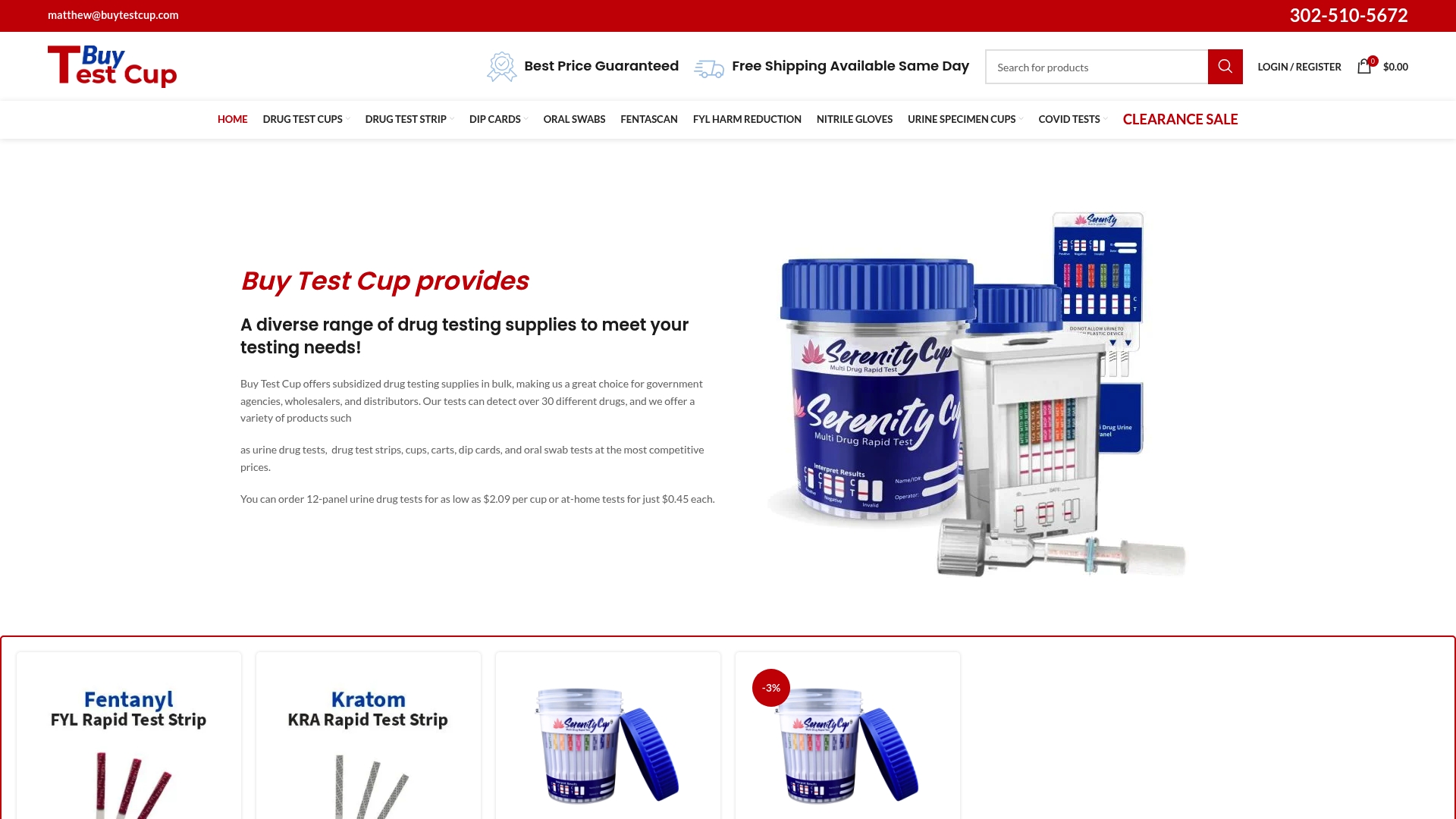
Take control of your workplace drug testing program today with Buy Test Cup — your trusted partner for bulk drug testing supplies that comply with federal and industry standards. Visit our main landing page to explore products engineered for reliable results and quick administration, and enhance your policy enforcement with tools perfectly suited for maintaining confidentiality and proper test administration. Ensure your drug testing process is both legally defensible and respectful of employee privacy by ordering your supplies now and experience the peace of mind that comes with seamless compliance.
Frequently Asked Questions
What are the essential steps in the 7-Step Employee Drug Testing Checklist for HR Compliance?
To ensure HR compliance, the essential steps include understanding drug testing regulations, choosing the right testing supplies and methods, clearly communicating testing policies, preparing the testing environment, ensuring proper test administration and collection, interpreting results professionally, and maintaining confidential records. Follow this checklist to create a compliant and effective drug testing program.
How can I communicate drug testing policies effectively to employees?
Communicate drug testing policies by providing clear written documents, conducting information sessions, and allowing for employee questions. Ensure that all employees understand the purpose, procedures, and consequences related to drug testing to promote transparency and trust.
What documentation is necessary for maintaining a compliant drug testing program?
Necessary documentation includes detailed testing protocols, standardized collection forms, secure record-keeping systems, and chain of custody records. Create organized, confidential files to provide an auditable trail and ensure compliance with legal standards.
How can I prepare the testing environment to protect employee privacy?
Prepare the testing environment by ensuring private collection areas, secure documentation stations, and confidentiality protection measures. Design a respectful and professional space for drug testing that maintains employee dignity throughout the process.
What should I do if a positive drug test result is obtained?
If a positive result is obtained, verify the initial findings with confirmatory testing and consult with medical professionals. Approach the situation with empathy and professionalism, offering support and intervention options to the affected employee.
How often should I review my drug testing policies?
You should review your drug testing policies at least annually to ensure they remain current with evolving legal standards and workplace requirements. Conduct a thorough policy evaluation to identify areas for improvement and keep your practices aligned with best standards.